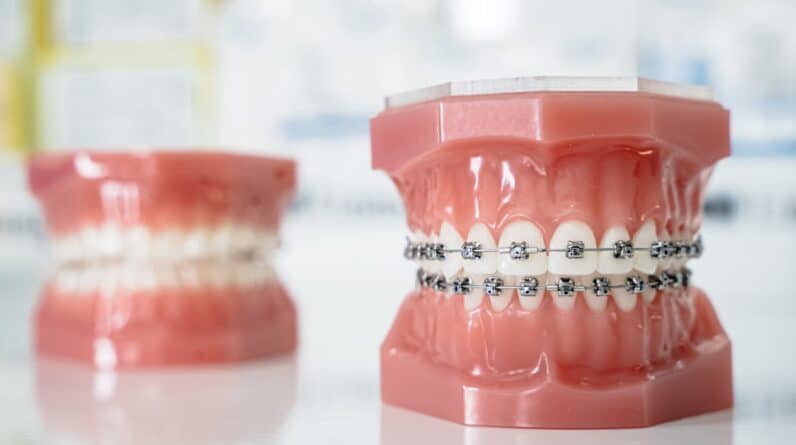
Full mouth reconstruction is a comprehensive dental procedure designed to restore the function and aesthetics of your mouth. It involves a combination of various treatments tailored to address multiple dental issues, including damaged teeth, gum disease, and jaw alignment problems. As you consider this option, it’s essential to understand that full mouth reconstruction is not a one-size-fits-all solution; rather, it is a personalized approach that takes into account your unique dental needs and goals.
This process often includes restorative procedures such as crowns, bridges, implants, and veneers, as well as orthodontic treatments and periodontal care. When embarking on a full mouth reconstruction journey, you will likely undergo a thorough evaluation by your dentist. This assessment will include diagnostic imaging, such as X-rays or 3D scans, to provide a detailed view of your oral health.
Your dentist will discuss your concerns and expectations, ensuring that you are fully informed about the procedures involved. Understanding the intricacies of full mouth reconstruction can empower you to make informed decisions about your dental health and aesthetic desires.
Key Takeaways
- Full mouth reconstruction involves restoring or replacing all of the teeth in a patient’s mouth to improve function, aesthetics, and overall oral health.
- Full mouth reconstruction is important for patients with extensive dental issues such as missing teeth, severe decay, gum disease, or bite problems.
- Common dental issues requiring full mouth reconstruction include severe tooth decay, advanced gum disease, tooth loss, and bite misalignment.
- The process of full mouth reconstruction typically involves a comprehensive evaluation, treatment planning, and a combination of restorative and cosmetic dental procedures.
- Benefits of full mouth reconstruction include improved oral function, enhanced aesthetics, better overall oral health, and increased self-confidence.
- Finding a qualified dentist for full mouth reconstruction is crucial and may involve seeking recommendations, researching credentials, and scheduling consultations.
- The cost of full mouth reconstruction can vary depending on the extent of treatment needed, the materials used, and the location of the dental practice.
- Recovery and aftercare for full mouth reconstruction may involve temporary dietary restrictions, pain management, and regular follow-up appointments with the dentist.
- Potential risks and complications of full mouth reconstruction may include infection, temporary discomfort, and the need for additional adjustments or revisions.
- Alternatives to full mouth reconstruction may include individual restorative treatments such as dental implants, bridges, or dentures, depending on the patient’s specific needs.
- Success stories of full mouth reconstruction can provide inspiration and reassurance for patients considering or undergoing extensive dental treatment.
The Importance of Full Mouth Reconstruction
The significance of full mouth reconstruction extends beyond mere aesthetics; it plays a crucial role in restoring your overall oral health. If you have experienced extensive dental issues, such as severe decay or trauma, these problems can lead to functional impairments that affect your ability to chew, speak, and maintain proper oral hygiene. By addressing these issues through full mouth reconstruction, you can regain not only the functionality of your teeth but also the confidence that comes with a healthy smile.
Moreover, full mouth reconstruction can have a profound impact on your quality of life. Many individuals who undergo this transformative process report improvements in their self-esteem and social interactions. A beautiful smile can enhance your appearance and make you feel more comfortable in social situations.
Additionally, by restoring your oral health, you may find that you experience fewer dental problems in the future, leading to reduced anxiety about dental visits and improved overall well-being.
Common Dental Issues Requiring Full Mouth Reconstruction

Several dental issues may necessitate a full mouth reconstruction. One of the most common is severe tooth decay, which can compromise the integrity of your teeth and lead to pain or infection. If left untreated, decay can progress to the point where extraction becomes necessary, making reconstruction essential for restoring your smile.
Gum disease is another prevalent issue that can result in tooth loss and bone deterioration, further complicating your dental health. In addition to decay and gum disease, trauma from accidents or injuries can lead to significant damage to your teeth and jaw. Fractured or missing teeth not only affect your appearance but can also disrupt your bite and lead to further complications if not addressed promptly.
Other conditions such as bruxism (teeth grinding) or misalignment may also require comprehensive treatment through full mouth reconstruction to ensure optimal function and aesthetics.
The Process of Full Mouth Reconstruction
The process of full mouth reconstruction typically begins with an initial consultation where your dentist will assess your oral health and discuss your goals. This stage may involve diagnostic imaging and a thorough examination of your teeth and gums. Based on this evaluation, your dentist will develop a customized treatment plan that outlines the necessary procedures and timelines.
Once the treatment plan is established, you may undergo several procedures over multiple appointments. These could include restorative treatments like crowns or bridges for damaged teeth, dental implants for missing teeth, or orthodontic work to correct alignment issues. Depending on the complexity of your case, the entire process may take several months to complete.
Throughout this journey, open communication with your dentist is vital to ensure that you feel comfortable and informed at every step.
Benefits of Full Mouth Reconstruction
The benefits of full mouth reconstruction are extensive and multifaceted. One of the most immediate advantages is the restoration of functionality; you will be able to chew food more effectively and speak clearly without discomfort or embarrassment. This functional improvement can significantly enhance your daily life and overall enjoyment of food and social interactions.
In addition to functional benefits, full mouth reconstruction offers significant aesthetic improvements. You will likely notice a dramatic enhancement in the appearance of your smile, which can boost your self-confidence and positively influence how others perceive you. Many individuals report feeling more attractive and self-assured after undergoing this transformative process.
Furthermore, by addressing underlying dental issues, you may also experience improved oral health, leading to fewer dental visits and reduced long-term costs associated with ongoing treatments.
Finding a Qualified Dentist for Full Mouth Reconstruction

Choosing the right dentist for your full mouth reconstruction is crucial for achieving optimal results. Start by seeking recommendations from friends or family members who have undergone similar procedures. You can also research online reviews and testimonials to gauge the experiences of other patients.
Look for a dentist who specializes in restorative dentistry and has extensive experience with full mouth reconstructions. During your initial consultation, pay attention to how comfortable you feel with the dentist and their staff. A qualified dentist should take the time to listen to your concerns, answer your questions thoroughly, and explain the treatment process in detail.
Additionally, inquire about their credentials, training, and any advanced technologies they utilize in their practice. Finding a dentist who prioritizes patient care and has a proven track record in full mouth reconstruction will significantly enhance your overall experience.
Cost of Full Mouth Reconstruction
The cost of full mouth reconstruction can vary widely based on several factors, including the complexity of your case, the specific procedures involved, and your geographic location. On average, you might expect to pay anywhere from $20,000 to $100,000 for a complete reconstruction. This range reflects the diverse nature of treatments that may be included in your plan.
It’s essential to discuss financing options with your dentist’s office before proceeding with treatment. Many dental practices offer payment plans or work with third-party financing companies to help make the cost more manageable. Additionally, check with your dental insurance provider to determine what aspects of the reconstruction may be covered under your plan.
Understanding the financial implications upfront can help you make informed decisions about your treatment options.
Recovery and Aftercare for Full Mouth Reconstruction
Recovery from full mouth reconstruction varies depending on the specific procedures performed but generally involves some level of discomfort or swelling in the initial days following treatment. Your dentist will provide detailed aftercare instructions tailored to your individual needs. It’s crucial to follow these guidelines closely to ensure optimal healing and minimize complications.
During recovery, you may need to adjust your diet temporarily to accommodate any sensitivity or discomfort in your mouth. Soft foods are often recommended in the initial stages post-treatment. Maintaining excellent oral hygiene is also vital; be sure to brush gently around any surgical sites and follow any specific recommendations from your dentist regarding rinses or medications.
Regular follow-up appointments will be necessary to monitor your healing progress and address any concerns that may arise.
Potential Risks and Complications of Full Mouth Reconstruction
While full mouth reconstruction is generally safe, it is essential to be aware of potential risks and complications associated with the procedures involved. Some common risks include infection at surgical sites, prolonged bleeding, or adverse reactions to anesthesia. Additionally, there may be instances where the final results do not meet your expectations due to factors such as healing variations or individual responses to treatment.
To mitigate these risks, it’s crucial to choose a qualified dentist with experience in full mouth reconstruction and adhere strictly to post-operative care instructions. Open communication with your dental team throughout the process will also help address any concerns promptly and ensure that you are well-informed about what to expect during recovery.
Alternatives to Full Mouth Reconstruction
If full mouth reconstruction seems overwhelming or not entirely necessary for your situation, there are alternative treatments available that may address specific dental issues without requiring comprehensive intervention. For instance, if you have only a few damaged teeth, targeted treatments such as crowns or veneers might suffice instead of a complete overhaul. Additionally, orthodontic treatments like braces or clear aligners can correct alignment issues without extensive restorative work on all teeth.
Teeth whitening procedures can enhance aesthetics without invasive treatments as well. Consulting with your dentist about these alternatives can help you explore options that align with both your dental needs and personal preferences.
Success Stories of Full Mouth Reconstruction
Many individuals have experienced life-changing transformations through full mouth reconstruction, leading to inspiring success stories that highlight the procedure’s impact on their lives. For instance, one patient who had struggled with severe decay and missing teeth found renewed confidence after undergoing a comprehensive reconstruction that included implants and crowns. They reported feeling liberated from years of embarrassment about their smile and were able to engage more fully in social situations.
Another success story involves a patient who had suffered from chronic jaw pain due to misalignment issues exacerbated by missing teeth. After undergoing full mouth reconstruction that included orthodontic treatment alongside restorative procedures, they not only achieved a beautiful smile but also experienced significant relief from pain and improved functionality in their daily life. These stories serve as powerful reminders of how full mouth reconstruction can transform not just smiles but lives as well.
In conclusion, full mouth reconstruction is a multifaceted approach designed to restore both function and aesthetics in individuals facing significant dental challenges. By understanding its importance, common issues it addresses, the process involved, potential risks, costs, recovery expectations, alternatives available, and success stories from others who have undergone this journey, you are better equipped to make informed decisions about your dental health. Whether you’re seeking improved functionality or enhanced aesthetics—or both—full mouth reconstruction could be the key to unlocking a healthier smile and renewed confidence in yourself.
If you’re considering a Full Mouth Reconstruction in Frisco, TX, it’s essential to understand the various procedures that can enhance your smile. One related option is dental contouring, which can help reshape and refine your teeth for a more aesthetically pleasing appearance. To learn more about this procedure, check out the article on dental contouring. This information can be beneficial as you explore your options for achieving the smile you’ve always wanted.
FAQs
What is full mouth reconstruction?
Full mouth reconstruction is a comprehensive treatment plan that involves restoring or replacing all of the teeth in the upper and lower jaws. It may include a combination of dental procedures such as dental implants, crowns, bridges, veneers, and orthodontics.
Who is a candidate for full mouth reconstruction?
Candidates for full mouth reconstruction are individuals who have multiple dental issues such as missing teeth, damaged teeth, bite problems, or jaw joint pain. A thorough evaluation by a dentist or prosthodontist is necessary to determine if a patient is a suitable candidate for full mouth reconstruction.
What are the benefits of full mouth reconstruction?
The benefits of full mouth reconstruction include improved oral health, restored function for eating and speaking, enhanced aesthetics, and increased self-confidence. It can also alleviate pain and discomfort associated with dental problems.
How long does full mouth reconstruction take?
The duration of full mouth reconstruction varies depending on the specific treatment plan and the individual’s dental needs. It can range from several months to over a year, as it may involve multiple procedures and stages of treatment.
What is the cost of full mouth reconstruction?
The cost of full mouth reconstruction can vary widely depending on the complexity of the case, the types of procedures involved, and the geographic location of the dental practice. It is important to consult with a dentist or prosthodontist to obtain an accurate cost estimate based on the specific treatment plan.