Cavity prevention is a crucial aspect of maintaining your overall oral health. Cavities, or dental caries, occur when the enamel on your teeth is eroded by acids produced by bacteria that feed on sugars in your mouth. This process can lead to pain, infection, and even tooth loss if left untreated.
By prioritizing cavity prevention, you not only protect your teeth but also save yourself from potential discomfort and costly dental procedures. Understanding the importance of preventing cavities can motivate you to adopt better oral hygiene practices and make informed choices about your dental care. Moreover, preventing cavities is not just about avoiding pain; it’s also about preserving your smile and confidence.
Healthy teeth contribute to a beautiful smile, which can significantly impact your self-esteem and social interactions. When you take steps to prevent cavities, you are investing in your long-term health and well-being. This proactive approach can lead to a lifetime of healthy teeth and gums, allowing you to enjoy your favorite foods and activities without the fear of dental issues.
Key Takeaways
- Cavity prevention is important for maintaining good oral health and preventing dental problems in the future.
- Maintaining good oral hygiene through regular brushing, flossing, and healthy dietary habits can help prevent cavities.
- Regular dental check-ups play a crucial role in early detection and prevention of cavities and other dental issues.
- Following dietary recommendations such as reducing sugar intake and consuming foods high in calcium can help prevent cavities.
- Fluoride treatment and dental sealants are important preventive measures that can help protect teeth from cavities.
Tips for Maintaining Good Oral Hygiene
To maintain good oral hygiene, you should establish a consistent daily routine that includes brushing and flossing. Brushing your teeth at least twice a day with fluoride toothpaste is essential for removing plaque and preventing cavities. Make sure to use a soft-bristled toothbrush and replace it every three to four months or sooner if the bristles become frayed.
When brushing, pay attention to all surfaces of your teeth, including the fronts, backs, and chewing surfaces. Don’t forget to brush your tongue as well, as bacteria can accumulate there and contribute to bad breath. Flossing is equally important in your oral hygiene routine.
It helps remove food particles and plaque from between your teeth where your toothbrush may not reach. Aim to floss at least once a day, using a gentle sawing motion to avoid damaging your gums. If you find traditional floss challenging to use, consider alternatives like floss picks or water flossers.
By incorporating these practices into your daily life, you can significantly reduce your risk of developing cavities and maintain a healthy mouth.
The Role of Regular Dental Check-ups

Regular dental check-ups play a vital role in cavity prevention and overall oral health. Visiting your dentist at least twice a year allows for professional cleanings that remove tartar buildup and plaque that regular brushing may miss. During these visits, your dentist will also conduct thorough examinations to identify any early signs of cavities or other dental issues.
Catching problems early can save you from more extensive treatments down the line, making these appointments an essential part of your dental care routine. In addition to cleanings and examinations, regular check-ups provide an opportunity for you to discuss any concerns or questions you may have about your oral health. Your dentist can offer personalized advice on improving your oral hygiene practices or recommend treatments tailored to your specific needs.
By maintaining a consistent schedule of dental visits, you are taking proactive steps toward ensuring the longevity of your teeth and gums.
Dietary Recommendations for Cavity Prevention
Your diet plays a significant role in cavity prevention, as certain foods can contribute to tooth decay while others can help protect your teeth. To minimize the risk of cavities, focus on incorporating nutrient-rich foods into your meals. Foods high in calcium, such as dairy products, leafy greens, and almonds, help strengthen tooth enamel.
Additionally, crunchy fruits and vegetables like apples and carrots can stimulate saliva production, which naturally helps wash away food particles and neutralize acids in your mouth. On the other hand, it’s essential to limit your intake of sugary snacks and beverages. Sugars feed the bacteria in your mouth, leading to acid production that erodes enamel and causes cavities.
If you do indulge in sweets, try to do so in moderation and opt for healthier alternatives when possible. Drinking plenty of water throughout the day can also help rinse away food particles and keep your mouth hydrated, further supporting cavity prevention efforts.
Importance of Fluoride Treatment
Fluoride treatment is a powerful tool in the fight against cavities. Fluoride is a naturally occurring mineral that helps strengthen tooth enamel and makes it more resistant to decay. Many communities add fluoride to their drinking water supply, but additional fluoride treatments can be beneficial for those at higher risk for cavities.
Your dentist may recommend professional fluoride applications during check-ups or prescribe fluoride toothpaste or mouth rinses for home use. Incorporating fluoride into your oral care routine can significantly enhance your cavity prevention efforts. By using fluoride toothpaste and participating in professional treatments when necessary, you are actively working to protect your teeth from decay.
This simple yet effective measure can make a substantial difference in maintaining your oral health over time.
The Benefits of Dental Sealants
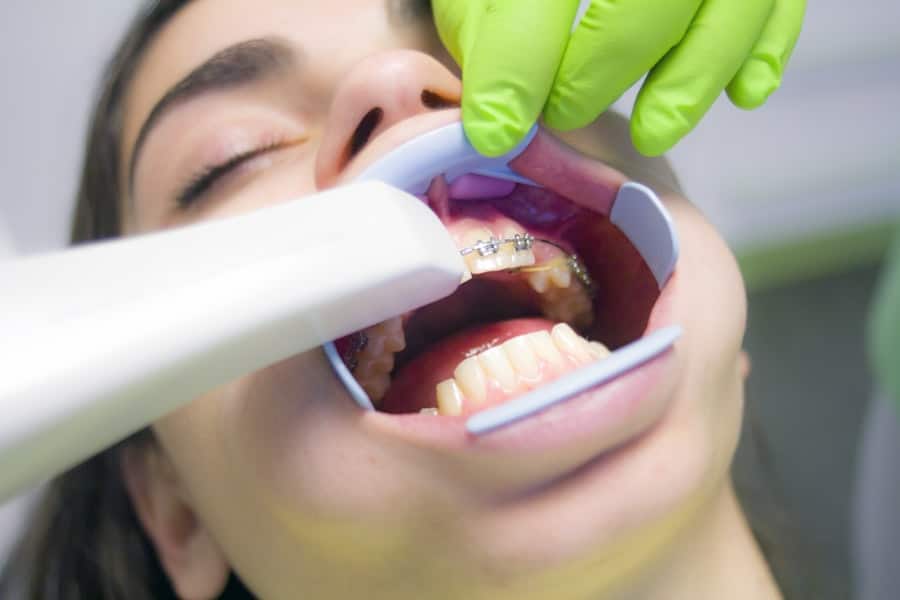
Dental sealants are another effective preventive measure against cavities, particularly for children and teenagers. Sealants are thin coatings applied to the chewing surfaces of molars, where cavities are most likely to develop due to their deep grooves and pits. By sealing these areas, you create a barrier that protects against food particles and bacteria that can lead to decay.
The application process is quick and painless, making it an excellent option for children who may be more susceptible to cavities due to their dietary habits or less-than-perfect brushing techniques. Sealants can last several years with proper care, providing long-term protection against cavities. By considering dental sealants for yourself or your children, you are taking an important step toward ensuring a healthier future for your teeth.
The Dangers of Untreated Cavities
Ignoring cavities can lead to severe consequences for your oral health. When left untreated, cavities can progress deeper into the tooth structure, potentially reaching the pulp where nerves and blood vessels reside. This can result in intense pain, infection, and even tooth abscesses that may require more invasive treatments like root canals or extractions.
Beyond the immediate physical discomfort, untreated cavities can also have financial implications. The cost of addressing advanced dental issues is often significantly higher than that of preventive care or early intervention. By prioritizing cavity prevention and seeking treatment at the first sign of trouble, you can avoid unnecessary pain and expenses while maintaining a healthy smile.
The Link Between Oral Health and Overall Health
Your oral health is closely linked to your overall health in ways that may surprise you. Research has shown that poor oral hygiene and untreated dental issues can contribute to various systemic health problems, including heart disease, diabetes, and respiratory infections. The bacteria from gum disease can enter the bloodstream and affect other parts of the body, highlighting the importance of maintaining good oral hygiene.
By taking care of your teeth and gums through regular brushing, flossing, dental check-ups, and cavity prevention strategies, you are not only protecting your smile but also supporting your overall health. Understanding this connection can motivate you to prioritize oral care as an integral part of your wellness routine.
How to Choose the Right Toothpaste and Mouthwash
Selecting the right toothpaste and mouthwash is essential for effective cavity prevention. When choosing toothpaste, look for products that contain fluoride, as this mineral is crucial for strengthening enamel and preventing decay. Additionally, consider toothpaste that addresses specific concerns you may have, such as sensitivity or tartar control.
When it comes to mouthwash, opt for an alcohol-free formula that contains fluoride or antibacterial properties to help reduce plaque buildup and freshen breath without causing dryness in your mouth. Reading labels carefully will help you make informed choices that align with your oral health needs. By selecting the right products for your routine, you can enhance your cavity prevention efforts significantly.
The Role of Professional Dental Cleanings
Professional dental cleanings are an essential component of maintaining good oral health and preventing cavities. During these cleanings, dental hygienists use specialized tools to remove plaque and tartar buildup that regular brushing may miss. This thorough cleaning helps reduce the risk of cavities while also promoting healthier gums.
In addition to cleaning your teeth, professional cleanings provide an opportunity for education about proper oral hygiene practices. Your hygienist can offer personalized tips based on your specific needs and habits, helping you improve your routine at home. By committing to regular professional cleanings, you are taking proactive steps toward ensuring a lifetime of healthy teeth.
The Importance of Educating Children about Cavity Prevention
Educating children about cavity prevention is vital for instilling lifelong habits that promote good oral health. Teaching them the importance of brushing twice a day, flossing regularly, and making healthy dietary choices sets the foundation for their future dental care routines. Engaging children in fun activities related to oral hygiene can make learning enjoyable and memorable.
Additionally, involving children in their dental visits can help demystify the experience and reduce anxiety about going to the dentist. Encourage them to ask questions during appointments so they feel empowered about their oral health decisions. By fostering an understanding of cavity prevention from an early age, you are equipping them with the knowledge they need to maintain healthy smiles throughout their lives.
For those seeking effective strategies for cavity prevention, visiting a specialized dentist can make a significant difference. In Frisco, TX, a cavity prevention dentist can provide tailored advice and treatments to help maintain optimal oral health. If you’re interested in exploring dental care options in different locations, you might find the article on dental services in Westminster, California particularly insightful. This resource offers valuable information on how local dentists approach cavity prevention and overall dental care.
FAQs
What is cavity prevention?
Cavity prevention refers to the steps and measures taken to avoid the formation of cavities in the teeth. This includes maintaining good oral hygiene, regular dental check-ups, and a healthy diet.
Why is cavity prevention important?
Cavity prevention is important because cavities can lead to tooth decay, pain, and other dental problems. By preventing cavities, individuals can maintain good oral health and avoid the need for extensive dental treatments.
What are some common cavity prevention techniques?
Common cavity prevention techniques include brushing and flossing regularly, using fluoride toothpaste, limiting sugary and acidic foods and drinks, and visiting the dentist for regular check-ups and cleanings.
How can a dentist help with cavity prevention?
Dentists can help with cavity prevention by providing professional cleanings, applying dental sealants, offering fluoride treatments, and providing education on proper oral hygiene practices and dietary choices.
What role does diet play in cavity prevention?
Diet plays a significant role in cavity prevention. Consuming a diet high in sugary and acidic foods and drinks can contribute to the formation of cavities, while a diet rich in fruits, vegetables, and dairy products can help maintain good oral health.