
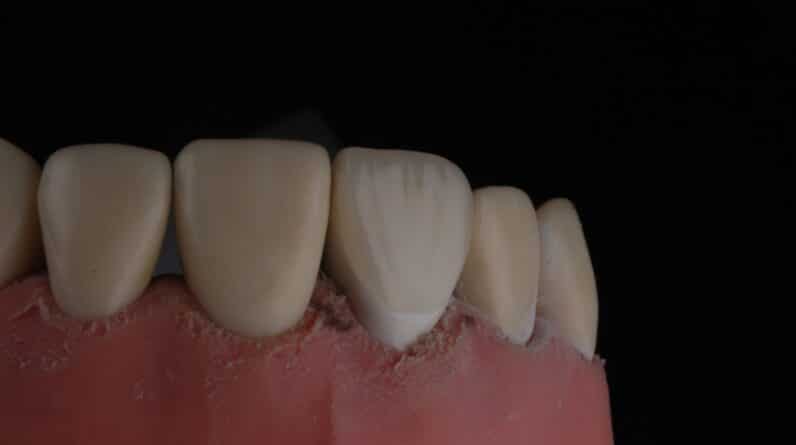
Cracked teeth are a common dental issue that can affect anyone at any age. You may not realize it, but your teeth are incredibly strong, designed to withstand the forces of chewing and biting. However, they are not invincible. A cracked tooth can occur when the structural integrity of the tooth is compromised, leading to pain, sensitivity, and potential complications if left untreated. Understanding what constitutes a cracked tooth is essential for recognizing the problem early and seeking appropriate care. When you think of a cracked tooth, you might envision a visible fracture or break. However, cracks can manifest in various forms, including hairline fractures that are difficult to detect without professional help. These cracks can occur in different parts of the tooth, such as the enamel, dentin, or even the root. The severity of the crack can vary significantly, influencing the symptoms you experience and the treatment options available. By familiarizing yourself with the nature of cracked teeth, you empower yourself to take action should you ever find yourself facing this dental dilemma.
Key Takeaways
- Cracked teeth can occur due to various reasons such as teeth grinding, chewing hard objects, or trauma.
- Common signs of a cracked tooth include pain while chewing, sensitivity to hot or cold, and intermittent discomfort.
- Diagnosis of cracked teeth often involves a dental exam, X-rays, and possibly a special dye or light to make the crack more visible.
- Treatment options for cracked teeth may include dental bonding, a crown, root canal therapy, or extraction in severe cases.
- Seeking prompt professional treatment for a cracked tooth is important to prevent further damage and potential tooth loss.
Causes of Cracked Teeth
Several factors can contribute to the development of cracked teeth, and understanding these causes can help you take preventive measures. One of the most common reasons for cracked teeth is excessive force or pressure. This can result from habits such as grinding your teeth at night, known as bruxism, or chewing on hard objects like ice or hard candies.
If you find yourself engaging in these behaviors, it may be time to reassess your habits and consider protective measures. Another significant cause of cracked teeth is trauma or injury. Accidents can happen at any time, whether it’s a sports-related incident or a fall that impacts your mouth.
Even seemingly minor injuries can lead to cracks that may not be immediately apparent. Additionally, age plays a role; as you get older, your teeth may become more brittle and susceptible to cracking due to wear and tear over time. By being aware of these causes, you can take proactive steps to protect your teeth from potential damage.
Signs and Symptoms of a Cracked Tooth
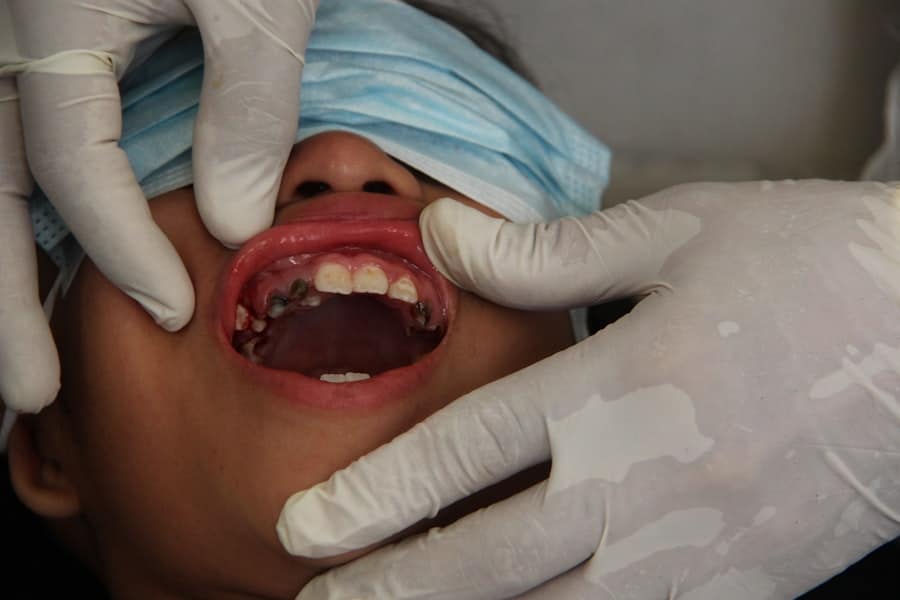
Recognizing the signs and symptoms of a cracked tooth is crucial for timely intervention. You may experience sudden pain when biting down or chewing, which can be a telltale sign that something is amiss. This pain may come and go, often intensifying with certain movements or pressure on the affected tooth.
If you notice sensitivity to hot or cold temperatures that lingers after exposure, it could also indicate a crack in your tooth. In some cases, you might not experience any pain at all, especially if the crack is small or located in a less sensitive area of the tooth. However, you may notice other symptoms such as swelling in the gums surrounding the tooth or even a visible crack when examining your mouth in the mirror.
If you suspect that you have a cracked tooth based on these signs, it’s essential to consult with a dental professional for an accurate diagnosis and appropriate treatment.
Diagnosis of Cracked Teeth
When you visit your dentist with concerns about a cracked tooth, they will conduct a thorough examination to determine the extent of the damage. This process often begins with a visual inspection of your mouth, where your dentist will look for visible cracks or signs of wear on your teeth. They may also use dental instruments to probe for any irregularities that could indicate a crack.
In addition to a visual examination, your dentist may recommend X-rays to get a clearer picture of what’s happening beneath the surface. X-rays can reveal hidden cracks that are not visible to the naked eye and help assess any potential damage to the surrounding bone structure. Once your dentist has gathered all necessary information, they will discuss their findings with you and recommend an appropriate course of action based on the severity of the crack.
Treatment Options for Cracked Teeth
The treatment options for cracked teeth vary depending on the severity and location of the crack. For minor cracks that do not cause significant pain or discomfort, your dentist may recommend monitoring the tooth over time to ensure it does not worsen. In some cases, they might suggest applying a dental sealant to protect the crack from further damage.
For more severe cracks that cause pain or threaten the tooth’s integrity, restorative treatments may be necessary. These can include dental bonding, where a tooth-colored resin is applied to fill in the crack and restore its appearance and function. In cases where the crack extends into the pulp of the tooth, a root canal may be required to remove infected tissue before placing a crown over the tooth for added protection.
Your dentist will work with you to determine the best treatment plan tailored to your specific needs.
Importance of Prompt Treatment
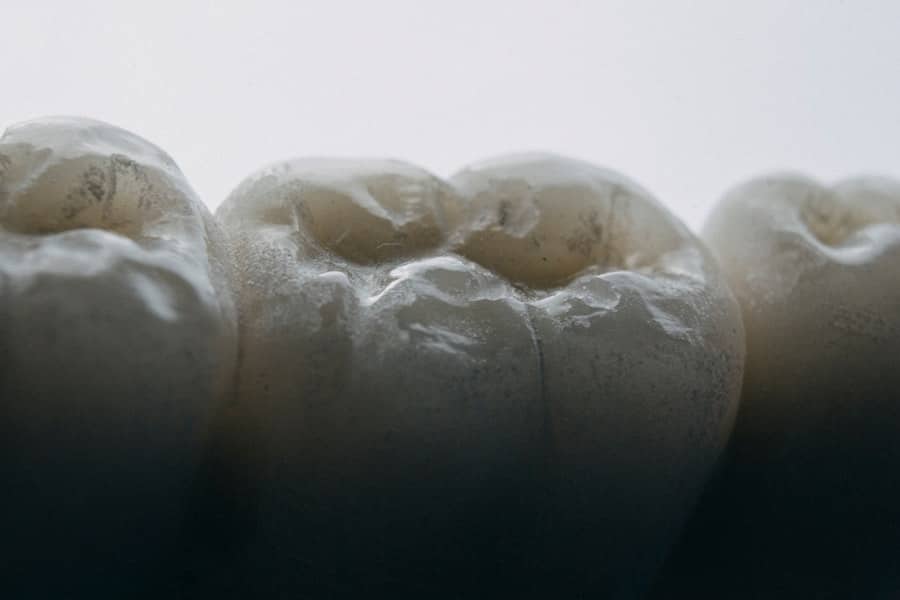
Addressing a cracked tooth promptly is vital for several reasons. First and foremost, delaying treatment can lead to increased pain and discomfort as the crack worsens over time. You may find yourself struggling with everyday activities like eating or speaking due to heightened sensitivity or pain associated with the damaged tooth.
Moreover, untreated cracks can lead to more severe complications, such as infections that could spread to surrounding teeth or even into your jawbone. This could result in more extensive treatments down the line, including extractions or surgical interventions. By seeking prompt treatment for a cracked tooth, you not only alleviate immediate discomfort but also safeguard your overall oral health and prevent more significant issues from arising in the future.
The Role of Dental Professionals in Cracked Tooth Repair
Dental professionals play an essential role in diagnosing and treating cracked teeth effectively. Their expertise allows them to assess the severity of the crack accurately and recommend appropriate treatment options tailored to your specific situation. When you visit your dentist with concerns about a cracked tooth, you benefit from their knowledge and experience in managing such issues.
Additionally, dental professionals stay updated on advancements in dental technology and techniques that can enhance treatment outcomes. They have access to tools and materials that can provide effective solutions for repairing cracked teeth while ensuring minimal discomfort during procedures. By entrusting your care to a qualified dental professional, you can feel confident that you are receiving the best possible treatment for your cracked tooth.
Common Procedures for Cracked Tooth Repair
There are several common procedures that dental professionals may employ to repair cracked teeth effectively. One frequently used method is dental bonding, which involves applying a composite resin material directly to the crack. This procedure is relatively quick and can often be completed in a single visit, making it an attractive option for those seeking immediate relief.
Another common procedure is placing a dental crown over the affected tooth. Crowns are custom-made caps that fit over the entire tooth structure, providing strength and protection while restoring its natural appearance. This option is particularly beneficial for more extensive cracks that compromise the tooth’s integrity.
Your dentist will discuss these options with you and help determine which procedure aligns best with your needs.
Benefits of Seeking Professional Cracked Tooth Repair
Seeking professional help for cracked tooth repair offers numerous benefits that extend beyond immediate relief from pain or discomfort. One significant advantage is that dental professionals have access to advanced diagnostic tools that allow them to assess the extent of damage accurately. This ensures that any underlying issues are addressed during treatment.
Additionally, professional repair methods are designed to provide long-lasting results while preserving as much of your natural tooth structure as possible. By opting for professional care rather than attempting home remedies or ignoring the issue altogether, you increase your chances of maintaining optimal oral health in the long run. Investing in professional treatment now can save you from more extensive procedures and costs down the line.
Aftercare and Maintenance for Repaired Cracked Teeth
Once your cracked tooth has been repaired, proper aftercare is essential for ensuring its longevity and maintaining overall oral health. Your dentist will likely provide specific instructions tailored to your situation, but some general guidelines include practicing good oral hygiene by brushing twice daily and flossing regularly to prevent plaque buildup around the repaired area. You should also be mindful of your diet after treatment; avoiding hard foods or excessive pressure on the repaired tooth can help prevent future damage.
Regular dental check-ups are crucial as well; these visits allow your dentist to monitor the condition of your repaired tooth and address any concerns before they escalate into more significant issues.
Preventing Future Cracks in Teeth
Preventing future cracks in your teeth requires a proactive approach to oral health care and lifestyle choices. One effective strategy is to avoid habits that put excessive pressure on your teeth, such as grinding or clenching them during stressful situations. If you suspect that bruxism is an issue for you, consider discussing it with your dentist; they may recommend a custom nightguard to protect your teeth while you sleep.
Additionally, maintaining a balanced diet rich in calcium and vitamin D can strengthen your teeth over time. Regular dental check-ups will also help catch any potential issues early on before they develop into more significant problems like cracks or fractures. By taking these preventive measures seriously, you can significantly reduce your risk of experiencing cracked teeth in the future and enjoy better overall oral health.
If you’re looking for information on Cracked Tooth Repair in Frisco, TX, you might find it helpful to explore related dental services in other locations. For instance, you can read about dental care options in Palmdale, California, by visiting this article. It provides insights into various dental treatments that could be beneficial for those experiencing similar issues.
FAQs
What is a cracked tooth?
A cracked tooth is a common dental problem that occurs when there is a small crack or fracture in the tooth. This can happen due to various reasons such as biting down on hard objects, teeth grinding, or trauma to the mouth.
What are the symptoms of a cracked tooth?
Symptoms of a cracked tooth may include pain when chewing or biting, sensitivity to hot or cold temperatures, and intermittent pain that comes and goes.
How is a cracked tooth repaired?
The repair of a cracked tooth depends on the severity of the crack. Treatment options may include dental bonding, a dental crown, root canal therapy, or in severe cases, tooth extraction.
Can a cracked tooth be prevented?
To prevent a cracked tooth, it is important to avoid biting down on hard objects, wear a mouthguard during sports activities, and practice good oral hygiene to maintain the strength of the teeth.
When should I see a dentist for a cracked tooth?
If you suspect you have a cracked tooth, it is important to see a dentist as soon as possible. Early detection and treatment can prevent further damage to the tooth and alleviate any pain or discomfort.