
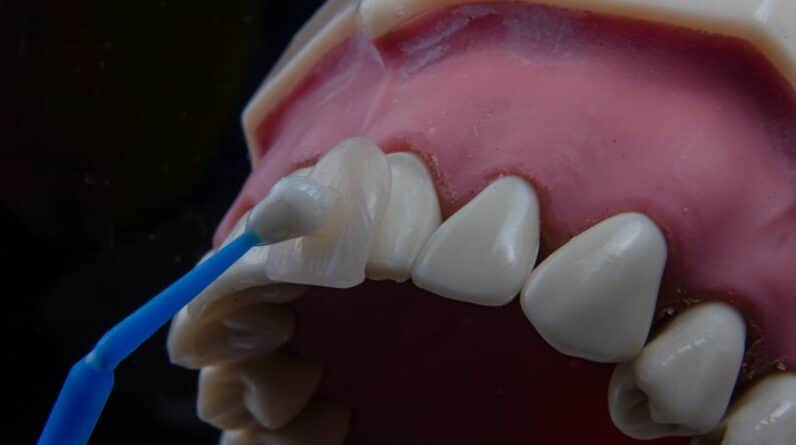
Veneers are thin shells made from either porcelain or composite resin that are custom-designed to cover the front surface of your teeth. They are primarily used to enhance the aesthetic appeal of your smile, providing a natural appearance while correcting various dental imperfections. When you think about veneers, envision a transformative solution that can address issues such as discoloration, chips, gaps, and misalignment.
These shells are bonded to your teeth, creating a seamless look that can significantly boost your confidence. The process of getting veneers involves careful planning and collaboration between you and your dentist. Your dental professional will assess your oral health, discuss your goals, and determine whether veneers are the right choice for you.
The result is a tailored approach that not only improves the appearance of your teeth but also aligns with your personal preferences and lifestyle. With advancements in dental technology, veneers have become a popular choice for those seeking a radiant smile.
Key Takeaways
- Veneers are thin, custom-made shells of tooth-colored materials designed to cover the front surface of teeth to improve their appearance.
- Benefits of veneers include improved appearance, durability, and stain resistance, as well as the ability to correct various dental issues such as discoloration, gaps, and misalignment.
- The veneers process involves consultation, preparation, bonding, and follow-up appointments, and typically takes two to three visits to complete.
- Choosing the right veneers involves considering factors such as material, color, and shape, as well as discussing options with a qualified dentist.
- Veneers can be used for cosmetic purposes to enhance the appearance of teeth, as well as for restorative purposes to repair damage and improve function.
Benefits of Veneers
One of the most significant benefits of veneers is their ability to dramatically enhance your smile. If you have stained or discolored teeth that resist whitening treatments, veneers can provide a brighter, more uniform appearance. They can also mask imperfections such as chips or cracks, giving you a flawless smile that you can be proud of.
This aesthetic improvement can lead to increased self-esteem and a more positive self-image, allowing you to engage more confidently in social situations. In addition to their cosmetic advantages, veneers are also durable and resistant to staining. Unlike natural teeth, which can absorb pigments from food and beverages, porcelain veneers maintain their color over time.
This means that you can enjoy your favorite foods and drinks without worrying about discoloration. Furthermore, veneers require minimal alteration to your natural teeth, preserving more of your tooth structure compared to other cosmetic procedures. This balance of beauty and practicality makes veneers an appealing option for many individuals.
The Veneers Process
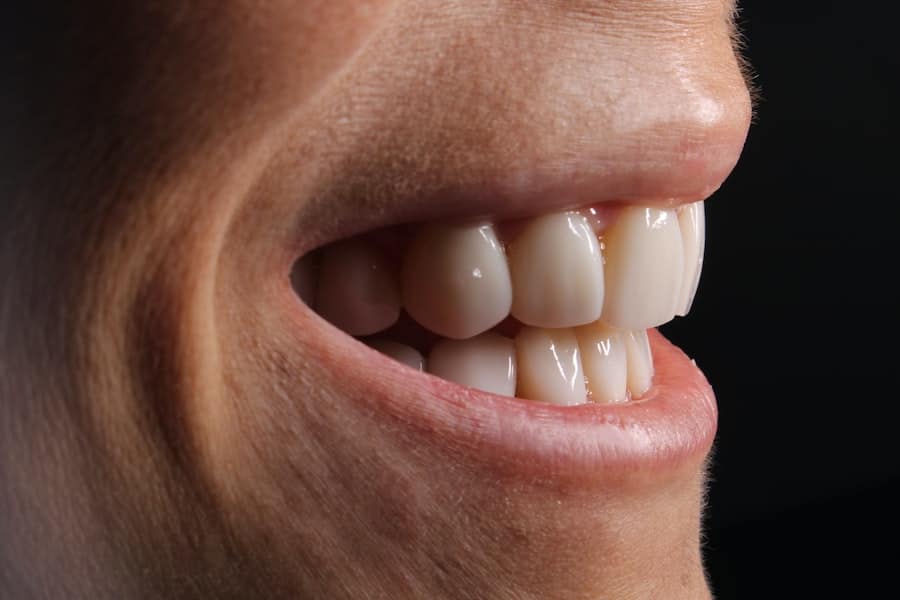
The process of obtaining veneers typically involves several steps, beginning with an initial consultation with your dentist. During this appointment, you will discuss your goals and expectations, allowing your dentist to evaluate your oral health and determine if veneers are suitable for you. If you decide to proceed, the next step usually involves taking impressions of your teeth, which will be used to create custom veneers that fit perfectly.
Once your veneers are ready, you will return to the dental office for the bonding procedure. Your dentist will prepare your teeth by removing a small amount of enamel to ensure a proper fit for the veneers. After this preparation, the veneers will be carefully bonded to your teeth using a strong adhesive.
Your dentist will then make any necessary adjustments to ensure that the veneers align correctly with your bite and look natural. The entire process can take a few visits, but the end result is often well worth the effort.
Choosing the Right Veneers
When it comes to selecting the right type of veneers for your needs, there are several factors to consider. The two primary materials used for veneers are porcelain and composite resin. Porcelain veneers are known for their durability and natural appearance, making them an excellent choice for those seeking long-lasting results.
On the other hand, composite resin veneers are typically more affordable and can be applied in a single visit, but they may not last as long as porcelain options. Additionally, it’s essential to discuss your desired outcome with your dentist. They can help guide you in choosing the right shade and shape for your veneers to ensure they complement your facial features and align with your personal style.
The goal is to achieve a harmonious look that enhances your smile while still appearing natural. By collaborating closely with your dentist, you can make informed decisions that lead to satisfying results.
Veneers for Cosmetic Purposes
Veneers are often sought after for their cosmetic benefits, as they can effectively address various aesthetic concerns. If you have teeth that are unevenly shaped or have noticeable gaps between them, veneers can create a more uniform appearance. This transformation can be particularly appealing if you have been self-conscious about your smile due to these imperfections.
Moreover, veneers can significantly improve the color of your teeth. Many individuals struggle with stains caused by coffee, tea, or tobacco use that regular whitening treatments cannot fully resolve. By opting for veneers, you can achieve a brighter smile without the ongoing maintenance associated with whitening products.
This makes them an attractive option for those looking to enhance their appearance with minimal effort.
Veneers for Restorative Purposes
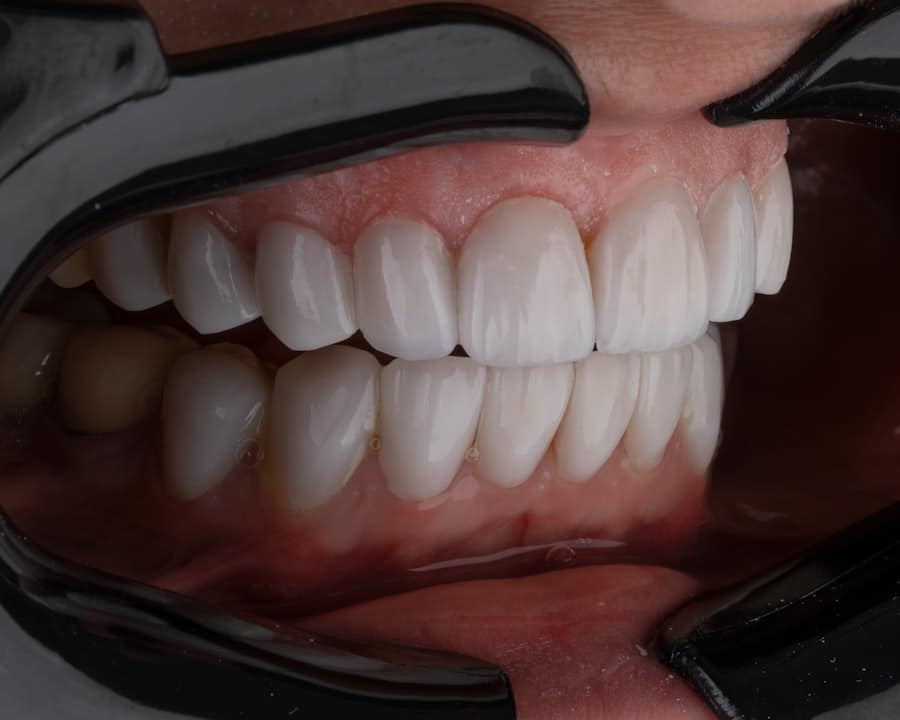
While veneers are primarily known for their cosmetic applications, they also serve restorative purposes. If you have damaged or weakened teeth due to decay or trauma, veneers can provide a protective layer that reinforces their structure. This added strength can help prevent further damage while restoring functionality to your teeth.
In some cases, veneers may be recommended as part of a comprehensive treatment plan for individuals with specific dental issues. For example, if you have undergone root canal therapy and require additional support for a weakened tooth, a veneer can offer both protection and aesthetic enhancement. By addressing both cosmetic and restorative needs simultaneously, veneers can play a crucial role in maintaining overall oral health.
When considering options for improving your smile, it’s essential to weigh the benefits of veneers against other dental procedures. For instance, teeth whitening is a popular choice for those looking to brighten their smiles; however, it may not address issues like chips or gaps effectively. In contrast, veneers provide a comprehensive solution that can tackle multiple concerns at once.
Another alternative is dental crowns, which cover an entire tooth rather than just the front surface. While crowns offer excellent protection for damaged teeth, they often require more extensive alteration of the natural tooth structure compared to veneers. This makes veneers an appealing option for those who want to preserve as much of their natural teeth as possible while still achieving significant aesthetic improvements.
Maintaining Veneers
Maintaining your veneers is crucial for ensuring their longevity and appearance over time. Fortunately, caring for them is relatively straightforward and similar to maintaining natural teeth. Regular brushing and flossing are essential practices that help prevent plaque buildup and maintain oral hygiene.
You should also continue visiting your dentist for routine check-ups and cleanings to monitor the condition of both your veneers and natural teeth. It’s important to be mindful of certain habits that could damage your veneers. For instance, avoid using your teeth as tools or biting down on hard objects like ice or pens.
Additionally, if you grind your teeth at night (a condition known as bruxism), consider discussing protective options with your dentist to prevent unnecessary wear on your veneers.
Finding a Veneers Dentist in Frisco TX
When searching for a dentist who specializes in veneers in Frisco, TX, it’s essential to do thorough research to find a qualified professional who meets your needs. Start by asking for recommendations from friends or family members who have undergone similar procedures. Online reviews and testimonials can also provide valuable insights into the experiences of other patients.
Once you have a list of potential dentists, schedule consultations to discuss your goals and evaluate their approach to cosmetic dentistry. During these appointments, pay attention to how comfortable you feel with the dentist and their staff, as well as their willingness to answer questions and address concerns. A good rapport with your dental professional is vital for ensuring a positive experience throughout the veneer process.
Cost of Veneers in Frisco TX
The cost of veneers in Frisco, TX can vary widely based on several factors, including the type of material used (porcelain vs. composite), the complexity of the case, and the experience level of the dentist performing the procedure. On average, porcelain veneers tend to be more expensive than composite options due to their durability and aesthetic appeal.
It’s important to discuss pricing during your initial consultation with your dentist so that you have a clear understanding of what to expect financially. Many dental practices offer financing options or payment plans that can help make the cost more manageable. Additionally, check with your dental insurance provider to see if they cover any portion of the veneer procedure; while many plans do not cover cosmetic treatments, some may offer partial coverage for restorative aspects.
Frequently Asked Questions about Veneers
As you consider getting veneers, you may have several questions about the procedure and its implications for your oral health. One common inquiry is whether getting veneers is painful; while some patients may experience mild discomfort during tooth preparation, most find the process manageable with local anesthesia. Another frequently asked question revolves around how long veneers last.
With proper care and maintenance, porcelain veneers can last anywhere from 10 to 15 years or even longer in some cases. However, individual results may vary based on factors such as oral hygiene habits and lifestyle choices. You might also wonder if there are any dietary restrictions after getting veneers.
While there are no strict limitations, it’s advisable to avoid extremely hard or sticky foods that could potentially damage the veneers or dislodge them from their bonding. In conclusion, understanding what veneers are and how they can benefit you is essential when considering this cosmetic dental option. From enhancing aesthetics to providing restorative support, veneers offer versatile solutions tailored to individual needs.
By collaborating closely with a qualified dentist in Frisco, TX, you can embark on a journey toward achieving the smile you’ve always desired while ensuring optimal oral health along the way.
If you’re considering enhancing your smile with veneers in Frisco, TX, you might find it helpful to read about similar dental options available in other locations. For instance, an article on cosmetic dentistry in Novi, Michigan, provides insights into the benefits and procedures related to veneers. You can check it out here: Novi, Michigan Cosmetic Dentistry. This resource can give you a broader understanding of what to expect when opting for veneers, regardless of where you are located.
FAQs
What are veneers?
Veneers are thin, custom-made shells of tooth-colored materials designed to cover the front surface of teeth to improve their appearance. They are commonly made of porcelain or resin composite materials.
What are the benefits of getting veneers?
Veneers can improve the appearance of teeth that are discolored, worn down, chipped, misaligned, or irregularly shaped. They can also be used to close gaps between teeth.
How long do veneers last?
With proper care, veneers can last for 10-15 years. It’s important to maintain good oral hygiene and avoid habits that can damage the veneers, such as biting on hard objects or using teeth as tools.
What is the process of getting veneers?
The process typically involves a consultation with a dentist, followed by the preparation of the teeth, taking impressions, and the placement of the veneers. The dentist will work with a dental laboratory to create custom veneers that fit the patient’s teeth.
Are there any alternatives to veneers?
Yes, alternatives to veneers include dental bonding, crowns, and teeth whitening. The best option for an individual will depend on their specific dental needs and goals.