
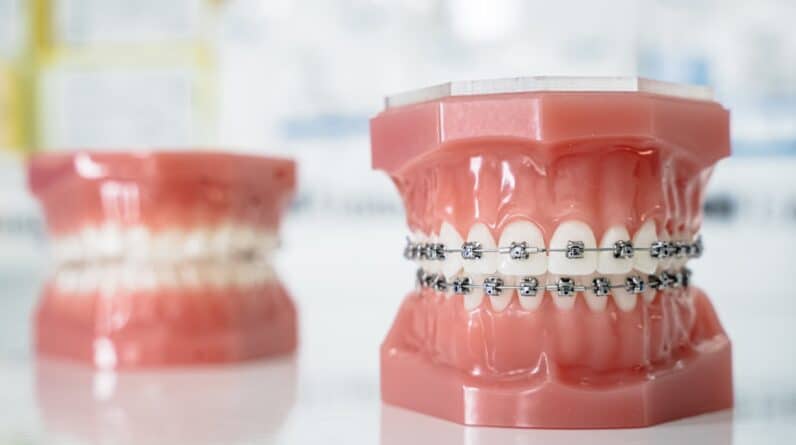
Dental implants are sophisticated dental devices designed to replace missing teeth. They consist of a titanium post that is surgically inserted into the jawbone, acting as a sturdy foundation for artificial teeth. This post mimics the root of a natural tooth, providing stability and support for crowns, bridges, or dentures that are placed on top.
The process of osseointegration occurs when the bone fuses with the implant, creating a strong bond that ensures durability and longevity. This innovative solution has revolutionized the field of dentistry, offering a reliable alternative to traditional dentures and bridges. You may find that dental implants not only restore your smile but also enhance your overall oral health.
By replacing missing teeth, they help maintain the structure of your jawbone, preventing bone loss that often occurs when teeth are absent. Additionally, dental implants can improve your ability to chew and speak, allowing you to enjoy your favorite foods without discomfort or embarrassment. With advancements in technology and materials, dental implants have become a popular choice for those seeking a permanent solution to tooth loss.
Key Takeaways
- Dental implants are artificial tooth roots that are placed in the jaw to support a replacement tooth or bridge.
- The benefits of dental implants include improved appearance, speech, comfort, and oral health.
- The process of getting dental implants involves a consultation, implant placement, healing period, and attachment of the replacement tooth.
- Candidates for dental implants should have good oral and overall health, adequate jawbone density, and a commitment to oral hygiene.
- Choosing the right dental implant specialist involves researching their experience, qualifications, and patient reviews.
The Benefits of Dental Implants
One of the most significant benefits of dental implants is their natural appearance. Unlike dentures or bridges, which can sometimes look artificial, implants are designed to blend seamlessly with your existing teeth. This aesthetic advantage can boost your confidence and encourage you to smile more freely.
Furthermore, because they are anchored securely in your jawbone, dental implants provide a level of stability that removable options simply cannot match. Another key benefit is the long-term investment that dental implants represent. While the initial cost may be higher than other tooth replacement options, their durability often makes them more cost-effective over time.
With proper care, dental implants can last a lifetime, eliminating the need for frequent replacements or adjustments associated with dentures or bridges. This longevity not only saves you money in the long run but also spares you the hassle of ongoing dental visits for replacements.
The Process of Getting Dental Implants

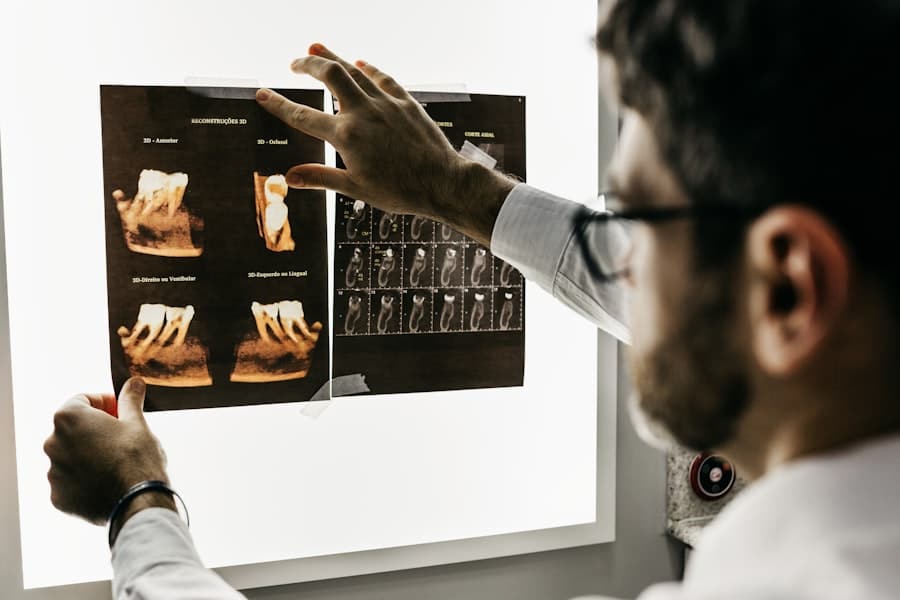
The journey to obtaining dental implants typically begins with a comprehensive consultation with your dentist or oral surgeon. During this initial appointment, they will evaluate your oral health, take X-rays, and discuss your medical history to determine if you are a suitable candidate for the procedure. This thorough assessment is crucial in ensuring that the implant can be successfully placed and integrated into your jawbone.
Once you are deemed a candidate, the actual procedure involves several steps. First, the titanium post is surgically implanted into your jawbone under local anesthesia. After this initial surgery, there is usually a healing period of several months during which osseointegration occurs.
During this time, your jawbone will grow around the implant, securing it in place. After healing is complete, an abutment is attached to the implant, which serves as a connector for the final restoration—a custom-made crown that will complete your smile.
Who is a Candidate for Dental Implants?
While dental implants offer numerous advantages, not everyone is an ideal candidate for this procedure. Generally, individuals who have lost one or more teeth due to injury, decay, or periodontal disease may benefit from implants. However, certain factors can influence candidacy, such as the condition of your jawbone and overall oral health.
If you have experienced significant bone loss, your dentist may recommend bone grafting to build up the jawbone before proceeding with implant placement. Additionally, good oral hygiene practices are essential for successful implant outcomes. Candidates should be committed to maintaining their dental health through regular brushing, flossing, and routine dental check-ups.
If you have underlying health conditions such as uncontrolled diabetes or autoimmune disorders, it’s crucial to discuss these with your dentist, as they may affect healing and integration of the implant.
Choosing the Right Dental Implant Specialist
Selecting the right dental implant specialist is a critical step in ensuring a successful outcome. You should look for a dentist or oral surgeon who has extensive experience and training in implantology. It’s advisable to seek out professionals who are board-certified and have a proven track record of successful implant placements.
Reading reviews and testimonials from previous patients can provide valuable insights into their expertise and patient care. Moreover, consider scheduling consultations with multiple specialists before making your decision. This allows you to ask questions about their approach to treatment, the technology they use, and their follow-up care procedures.
A good specialist will take the time to explain every step of the process and address any concerns you may have, ensuring you feel comfortable and informed throughout your journey.
Understanding the Cost of Dental Implants
The cost of dental implants can vary significantly based on several factors, including the complexity of your case, the type of implant used, and the geographic location of the dental practice. On average, you might expect to pay anywhere from $3,000 to $4,500 per implant, which typically includes the surgical procedure and the crown placement. However, additional costs may arise if bone grafting or other preparatory procedures are necessary.
It’s important to discuss financing options with your dental office as many practices offer payment plans or work with insurance providers to help offset costs. Some insurance plans may cover a portion of the expenses associated with dental implants, so it’s worth checking with your provider to understand your benefits fully. Investing in dental implants can be seen as an investment in your long-term oral health and quality of life.
Potential Risks and Complications of Dental Implants
As with any surgical procedure, there are potential risks and complications associated with dental implants that you should be aware of before proceeding. While serious complications are rare, some individuals may experience infection at the implant site or issues related to osseointegration where the bone fails to fuse properly with the implant. These complications can lead to implant failure and may require additional treatment.
Other risks include nerve damage or sinus problems if the implant is placed in an area close to sensitive structures in your mouth or face. It’s essential to have an open dialogue with your dentist about these risks and any concerns you may have prior to surgery. A skilled specialist will take precautions to minimize these risks through careful planning and advanced imaging techniques.
Aftercare and Maintenance of Dental Implants
After receiving dental implants, proper aftercare is crucial for ensuring their longevity and success. You should follow your dentist’s post-operative instructions closely, which may include recommendations for pain management and dietary restrictions during the initial healing phase. Maintaining good oral hygiene is vital; brushing and flossing around the implant site should become part of your daily routine to prevent infection and ensure healthy gums.
Regular dental check-ups are also essential for monitoring the health of your implants and surrounding tissues. Your dentist will assess how well the implants are integrating into your jawbone and check for any signs of complications. By committing to diligent aftercare and maintenance practices, you can enjoy the benefits of your dental implants for many years to come.
Comparing Dental Implants to Other Tooth Replacement Options
When considering tooth replacement options, it’s important to weigh the pros and cons of each choice available to you. Traditional dentures are often less expensive upfront but can come with drawbacks such as discomfort, difficulty eating certain foods, and potential slippage while speaking or laughing. Bridges can be effective for replacing one or two adjacent teeth but require alteration of neighboring healthy teeth for support.
In contrast, dental implants offer a more permanent solution that preserves jawbone health and provides superior stability compared to removable options. While they may require a larger initial investment, their longevity often makes them a more cost-effective choice over time. Ultimately, discussing these options with your dentist will help you make an informed decision based on your specific needs and lifestyle.
Success Rates of Dental Implants
The success rates for dental implants are impressively high, often reported at around 95% after five years of placement in healthy individuals. Factors such as overall health, oral hygiene practices, and lifestyle choices can influence these rates; however, advancements in technology and techniques continue to improve outcomes for patients undergoing this procedure. Your commitment to maintaining good oral health post-surgery plays a significant role in ensuring long-term success as well.
By following your dentist’s recommendations for care and attending regular check-ups, you can help maximize the chances that your dental implants will serve you well for many years.
Frequently Asked Questions about Dental Implants
You may have several questions regarding dental implants as you consider this option for tooth replacement. Common inquiries include concerns about pain during the procedure; however, most patients report minimal discomfort due to local anesthesia used during surgery. Another frequent question pertains to how long the entire process takes; while initial healing can take several months after implant placement, many patients find that the wait is well worth it for a permanent solution.
Additionally, some individuals wonder if age affects candidacy for dental implants; generally speaking, age alone is not a disqualifying factor as long as overall health is considered satisfactory by your dentist. Engaging in an open dialogue with your dental professional will help clarify any uncertainties you may have about this transformative procedure. In conclusion, dental implants represent a remarkable advancement in restorative dentistry that offers numerous benefits over traditional tooth replacement options.
By understanding what they are, how they work, and what to expect throughout the process, you can make an informed decision about whether they are right for you. With proper care and maintenance, dental implants can provide a lasting solution that enhances both your smile and quality of life.
If you’re considering dental implants in Frisco, TX, you might find it helpful to read about similar dental services in other locations. For instance, the article on dental care in Davie, Florida, provides insights into the latest advancements in dental technology and patient care. You can check it out here:

`;
var bf = ``;
var ifooter = ``;
var af = ``;
//test
///start
setTimeout(function() {
jQuery('.site-header').prepend(bh);
jQuery('.site-header').prepend(h);
jQuery('.site-header').append(ah);
jQuery('.post-title').prepend(bp);
jQuery('.post-title').append(ap);
var count = jQuery('#wrap p').length;
jQuery('#wrap p').each(function(index) {
jQuery(this).after(dynamicVars['p' + (index + 1)]);
console.log(dynamicVars['p' + (index + 1)]);
if (index + 1 == count) {
jQuery(this).after(pl);
}
jQuery(this).after(pe);
});
jQuery('footer').prepend(bf);
jQuery('footer').prepend(ifooter);
jQuery('footer').append(af);
}, 500);
}