

Maintaining good dental hygiene is crucial for your overall health and well-being. You may not realize it, but your mouth is a gateway to your body, and poor oral hygiene can lead to a host of health issues beyond just cavities and gum disease. When you neglect your dental care, harmful bacteria can thrive, potentially leading to infections that can affect other parts of your body, including your heart.
By prioritizing dental hygiene, you not only protect your teeth and gums but also contribute to your overall health. Moreover, good dental hygiene can significantly impact your self-esteem and confidence. When you take care of your teeth, you are more likely to smile freely and engage in social interactions without feeling self-conscious about bad breath or stained teeth.
Regular brushing, flossing, and dental check-ups can help you maintain a bright smile and fresh breath, allowing you to express yourself without hesitation. In essence, investing time in your dental hygiene is an investment in your health and happiness.
Key Takeaways
- Good dental hygiene is important for overall health and well-being
- Proper brushing techniques include using a soft-bristled brush and gentle circular motions
- Flossing helps remove plaque and food particles from between teeth
- Regular dental check-ups are essential for early detection and prevention of dental issues
- Choosing the right toothpaste and mouthwash can help maintain oral health
Brushing Techniques
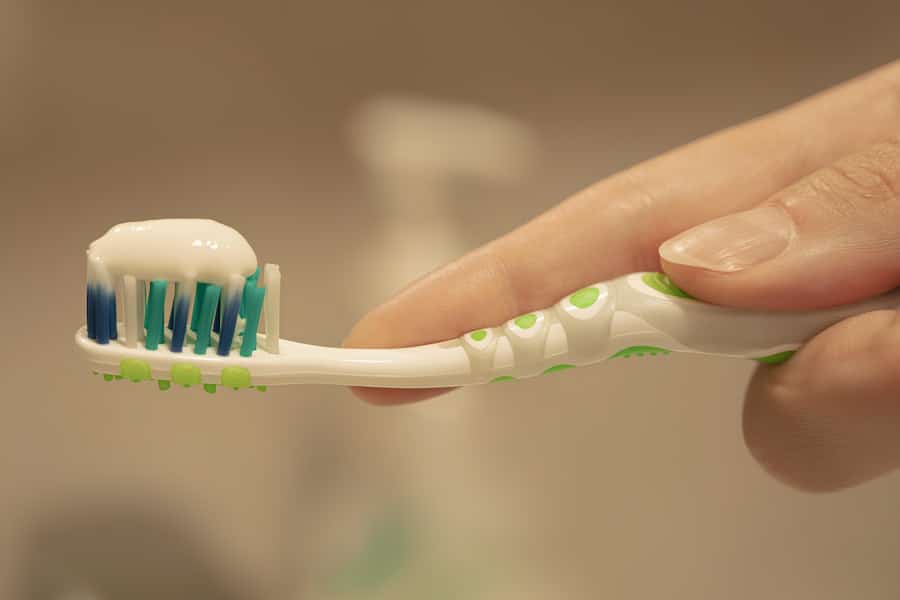
Brushing your teeth is a fundamental aspect of dental hygiene, but it’s not just about the act itself; it’s about how you do it. You should aim to brush your teeth at least twice a day, using a fluoride toothpaste to help strengthen your enamel. When brushing, hold your toothbrush at a 45-degree angle to your gums and use gentle circular motions.
This technique helps remove plaque effectively without damaging your gums. You might find it helpful to divide your mouth into quadrants, spending about 30 seconds on each section to ensure that you cover all surfaces of your teeth. Additionally, don’t forget to brush your tongue!
The surface of your tongue can harbor bacteria that contribute to bad breath. Using a soft-bristled toothbrush or a dedicated tongue scraper can help eliminate these bacteria and leave your mouth feeling fresh. Remember to replace your toothbrush every three to four months or sooner if the bristles become frayed.
A worn-out toothbrush is less effective at cleaning your teeth, so keeping it in good condition is essential for maintaining optimal dental hygiene.
Flossing Techniques
Flossing is often overlooked in daily dental care routines, yet it plays a vital role in preventing gum disease and cavities. You should aim to floss at least once a day, ideally before brushing your teeth at night. To floss effectively, take about 18 inches of dental floss and wrap the ends around your middle fingers, leaving a few inches of floss between them.
Gently slide the floss between your teeth using a sawing motion, being careful not to snap it against your gums. Curve the floss around each tooth in a C-shape and slide it up and down to remove plaque and food particles. If you find traditional floss challenging to use, consider trying floss picks or water flossers.
These alternatives can make the process easier and more enjoyable for you. Regardless of the method you choose, the key is consistency; incorporating flossing into your daily routine will significantly improve your oral health over time. By removing debris from between your teeth, you reduce the risk of cavities and gum disease, ensuring that your smile remains healthy and bright.
Importance of Regular Dental Check-ups
Regular dental check-ups are an essential component of maintaining good oral health. You should schedule visits to your dentist at least twice a year for professional cleanings and examinations. During these appointments, your dentist can identify potential issues before they become serious problems.
Early detection of cavities or gum disease can save you time, money, and discomfort in the long run. Your dentist will also provide valuable advice tailored to your specific needs, helping you improve your dental hygiene routine. In addition to preventive care, regular check-ups allow for professional cleaning that removes tartar buildup that regular brushing and flossing cannot eliminate.
This cleaning helps prevent gum disease and keeps your mouth healthy. Furthermore, these visits provide an opportunity for you to discuss any concerns or questions you may have about your oral health with a professional who can offer guidance and support. By prioritizing regular dental check-ups, you are taking proactive steps toward maintaining a healthy smile for years to come.
Choosing the Right Toothpaste and Mouthwash
Selecting the right toothpaste and mouthwash is crucial for effective dental care. When choosing toothpaste, look for one that contains fluoride, as this mineral helps strengthen tooth enamel and prevent decay. You may also want to consider specific formulations based on your needs—whether you’re looking for whitening effects, sensitivity relief, or tartar control.
Reading labels can help you make an informed decision that aligns with your oral health goals. Mouthwash can also play a significant role in your dental hygiene routine. An antibacterial mouthwash can help reduce plaque buildup and combat bad breath by killing harmful bacteria in your mouth.
However, be cautious with alcohol-based mouthwashes, as they can sometimes cause dryness or irritation in some individuals. Opting for an alcohol-free formula may be a better choice if you have sensitive gums or dry mouth issues. Ultimately, finding products that work well for you will enhance your daily routine and contribute positively to your overall dental health.
Tips for Maintaining Fresh Breath
Fresh breath is something everyone desires but achieving it requires consistent effort and attention to detail in your oral hygiene routine. One of the simplest ways to maintain fresh breath is by staying hydrated; drinking plenty of water throughout the day helps wash away food particles and bacteria that cause bad breath. Additionally, chewing sugar-free gum can stimulate saliva production, which acts as a natural defense against bad breath by neutralizing acids produced by bacteria.
Another effective strategy is to incorporate regular tongue cleaning into your routine. As mentioned earlier, bacteria can accumulate on the surface of your tongue, leading to unpleasant odors. Using a tongue scraper or brushing your tongue gently with your toothbrush can help eliminate this buildup.
Lastly, be mindful of certain foods that may contribute to bad breath—garlic and onions are notorious culprits! By adopting these practices, you can enjoy fresher breath and feel more confident in social situations.
Foods and Drinks to Avoid for Better Dental Health
Your diet plays a significant role in maintaining good dental health, and being mindful of what you consume can help prevent cavities and gum disease. Sugary foods and beverages are among the primary offenders when it comes to tooth decay. When sugar interacts with the bacteria in your mouth, it produces acids that erode tooth enamel over time.
You should limit sugary snacks like candies, cookies, and sodas while opting for healthier alternatives such as fruits, vegetables, and whole grains. Acidic foods and drinks can also pose a threat to your dental health. Citrus fruits like lemons and oranges are nutritious but can erode enamel if consumed excessively or if proper oral hygiene isn’t practiced afterward.
Similarly, beverages like soda and wine can be acidic as well; if you indulge in these drinks occasionally, consider rinsing your mouth with water afterward to neutralize acidity. By being conscious of what you eat and drink, you can significantly improve your dental health while still enjoying a balanced diet.
Tips for Dealing with Sensitive Teeth
If you experience sensitivity in your teeth when consuming hot or cold foods and drinks, you’re not alone; many people face this issue at some point in their lives. Sensitivity can arise from various factors such as worn enamel, gum recession, or even cavities. To manage this discomfort effectively, consider using toothpaste specifically designed for sensitive teeth; these formulations contain compounds that help block pain signals from reaching the nerves in your teeth.
In addition to using specialized toothpaste, be gentle when brushing; aggressive brushing can exacerbate sensitivity by further wearing down enamel or irritating gums. You might also want to avoid extremely hot or cold foods until you’ve addressed the issue with a dentist. If sensitivity persists despite these measures, it’s essential to consult with a dental professional who can identify the underlying cause and recommend appropriate treatments tailored to your needs.
How to Properly Clean and Store Your Toothbrush
Your toothbrush is an essential tool for maintaining good oral hygiene; however, it’s crucial to clean and store it properly to ensure its effectiveness. After each use, rinse your toothbrush thoroughly under running water to remove any toothpaste residue or debris. Allow it to air dry upright in a holder; this prevents bacteria from growing on damp surfaces.
Avoid covering the toothbrush head or storing it in closed containers where moisture can accumulate. You should also keep your toothbrush away from other toothbrushes to minimize cross-contamination; ideally, each family member should have their own designated space for their toothbrushes. Remember to replace your toothbrush every three to four months or sooner if the bristles become frayed or worn out.
A clean toothbrush is vital for effective cleaning; by taking care of this simple tool, you’re investing in better oral health.
The Benefits of Using a Tongue Scraper
Incorporating a tongue scraper into your oral hygiene routine can offer numerous benefits beyond just freshening breath. The surface of your tongue can harbor bacteria, food particles, and dead cells that contribute to bad breath and overall oral health issues. By using a tongue scraper daily or several times a week, you can effectively remove this buildup and promote better oral hygiene.
Using a tongue scraper is simple; gently glide the scraper from the back of your tongue toward the front while applying light pressure—this action helps dislodge debris without causing discomfort. Many people find that using a tongue scraper enhances their sense of taste by removing layers of buildup that may dull flavor perception. By adding this step to your routine, you’re taking proactive measures toward achieving optimal oral health while enjoying fresher breath.
Importance of a Balanced Diet for Dental Health
A balanced diet is not only essential for overall health but also plays a significant role in maintaining good dental health. Consuming a variety of nutrient-rich foods helps strengthen teeth and gums while providing the necessary vitamins and minerals for optimal oral function. Foods rich in calcium—such as dairy products—are particularly beneficial for strengthening tooth enamel and supporting bone health.
Incorporating plenty of fruits and vegetables into your diet is equally important; crunchy fruits like apples and vegetables like carrots can help stimulate saliva production while naturally cleaning teeth as you chew. Additionally, foods high in antioxidants—such as berries—can help combat inflammation in the gums while promoting healing. By focusing on a balanced diet filled with nutrient-dense foods, you’re not only nourishing your body but also laying the foundation for strong teeth and healthy gums for years to come.
For those seeking to enhance their dental hygiene practices, the article on Best Dental Hygiene Tips in Ontario, California offers valuable insights that complement the tips available for residents in Chandler, AZ. By exploring various techniques and recommendations, readers can gain a broader understanding of effective dental care routines that can be applied universally.
FAQs
What are the best dental hygiene tips for maintaining oral health?
Some of the best dental hygiene tips for maintaining oral health include brushing your teeth at least twice a day, flossing daily, using mouthwash, eating a balanced diet, and visiting your dentist regularly for check-ups and cleanings.
How often should I brush and floss my teeth?
It is recommended to brush your teeth at least twice a day, once in the morning and once before bed. Flossing should be done at least once a day to remove plaque and food particles from between the teeth.
What type of toothbrush and toothpaste should I use?
It is recommended to use a soft-bristled toothbrush and fluoride toothpaste. Electric toothbrushes are also effective at removing plaque and maintaining oral health.
How important is regular dental check-ups and cleanings?
Regular dental check-ups and cleanings are essential for maintaining oral health. Dentists can detect and treat oral health issues early, and professional cleanings can remove plaque and tartar that regular brushing and flossing may miss.
What are some dietary tips for maintaining good oral health?
Eating a balanced diet that is low in sugary and acidic foods can help maintain good oral health. Consuming plenty of fruits and vegetables, drinking water, and limiting sugary snacks can help prevent tooth decay and gum disease.