
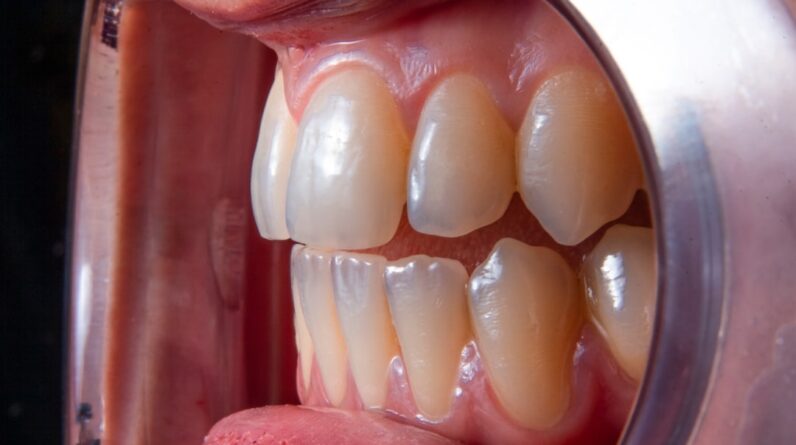
When you undergo dental implant surgery, it’s essential to grasp the recovery process that follows. This journey typically begins immediately after the procedure, where your body starts to heal from the surgical intervention. The initial phase of recovery can last anywhere from a few days to several weeks, depending on various factors such as your overall health, the complexity of the surgery, and how well you adhere to post-operative care instructions.
Understanding this timeline can help you set realistic expectations and prepare for the changes that may occur during your healing period. During the first few days post-surgery, you may experience swelling and discomfort, which are normal responses as your body begins to heal. Your dentist or oral surgeon will likely provide you with a detailed recovery plan, including information on pain management and care for the implant site.
Familiarizing yourself with this process can alleviate anxiety and help you feel more in control of your recovery. Remember, every individual’s healing journey is unique, so it’s crucial to listen to your body and communicate with your healthcare provider if you have any concerns.
Key Takeaways
- Proper oral hygiene is crucial for the recovery process after dental implant surgery, including gentle brushing and rinsing with salt water.
- Managing pain and discomfort after surgery can be achieved through prescribed medications and avoiding strenuous activities.
- Dietary guidelines for a speedy recovery include consuming soft foods, avoiding hot and spicy foods, and staying hydrated.
- Avoiding activities that can disrupt healing, such as smoking and excessive alcohol consumption, is essential for successful recovery.
- Recognizing signs of infection or complications, such as persistent pain or swelling, and seeking immediate medical attention is important for a successful recovery.
Managing Pain and Discomfort After Surgery
After your dental implant surgery, managing pain and discomfort is a priority. You may be prescribed pain medication or advised to use over-the-counter options to help alleviate any soreness. It’s important to take these medications as directed, especially during the first few days when discomfort may be at its peak.
You might find that applying a cold compress to the outside of your cheek can also provide relief from swelling and pain. This simple technique can significantly enhance your comfort level during the initial recovery phase. In addition to medication and cold compresses, you should also pay attention to your body’s signals.
If you find that the pain is not subsiding or is worsening, it’s essential to reach out to your dentist. They can assess your situation and determine if any adjustments need to be made to your pain management plan. Remember, while some discomfort is expected, severe or persistent pain could indicate a complication that requires professional attention.
Proper Oral Hygiene and Care for the Implant Area
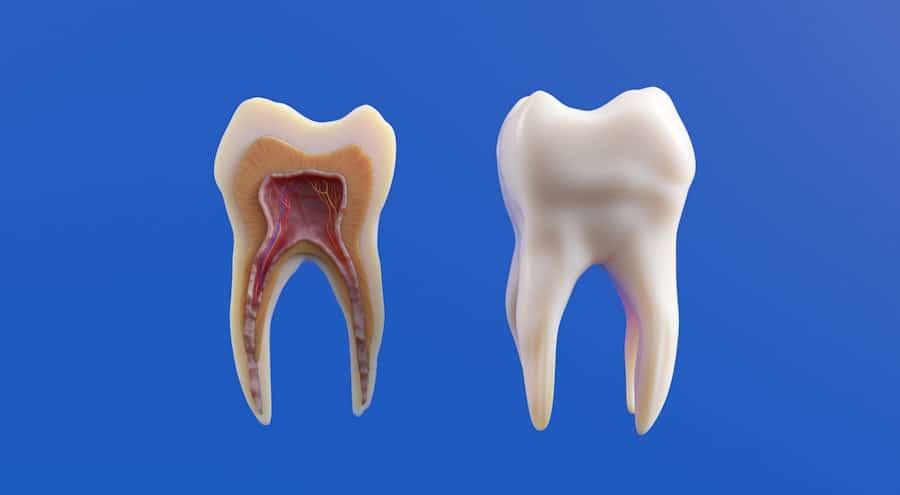
Maintaining proper oral hygiene is crucial for the success of your dental implant and overall recovery. After surgery, you may be advised to avoid brushing the implant site for a few days to allow for initial healing. However, this doesn’t mean neglecting your oral care entirely.
You should continue to brush and floss your other teeth gently, ensuring that you keep your mouth as clean as possible without disturbing the surgical area. Once your dentist gives you the green light, you can gradually reintroduce brushing around the implant site. Using a soft-bristled toothbrush can help prevent irritation while still allowing you to maintain cleanliness.
Additionally, rinsing with a saltwater solution can promote healing and reduce the risk of infection. Staying diligent about your oral hygiene will not only aid in your recovery but also contribute to the long-term success of your dental implant.
Dietary Guidelines for a Speedy Recovery
Your diet plays a significant role in how quickly and effectively you recover from dental implant surgery. In the days following your procedure, it’s advisable to stick to soft foods that require minimal chewing. Foods like yogurt, mashed potatoes, smoothies, and soups can provide essential nutrients without putting stress on your healing gums.
Staying hydrated is equally important; drinking plenty of water will help keep your body functioning optimally during this recovery phase. As you begin to feel better, you can gradually reintroduce more solid foods into your diet. However, it’s wise to avoid hard or crunchy items that could disrupt the healing process or cause discomfort.
Additionally, steering clear of spicy or acidic foods can help prevent irritation around the implant site. By being mindful of what you eat during this time, you can support your body’s healing efforts and ensure a smoother recovery.
Avoiding Activities that Can Disrupt Healing
During your recovery from dental implant surgery, it’s crucial to avoid activities that could hinder the healing process. High-impact exercises or strenuous physical activities should be put on hold for at least a week or as advised by your dentist. Engaging in such activities too soon can increase blood flow to the surgical area, potentially leading to increased swelling or bleeding.
In addition to physical activities, you should also be cautious about certain habits that could disrupt healing. For instance, smoking can significantly impair blood flow and delay recovery. If you smoke, consider using this time as an opportunity to quit or at least reduce your intake during the healing period.
By being mindful of both physical activities and lifestyle choices, you can create an environment conducive to healing and ensure that your dental implant has the best chance for success.
Recognizing Signs of Infection or Complications
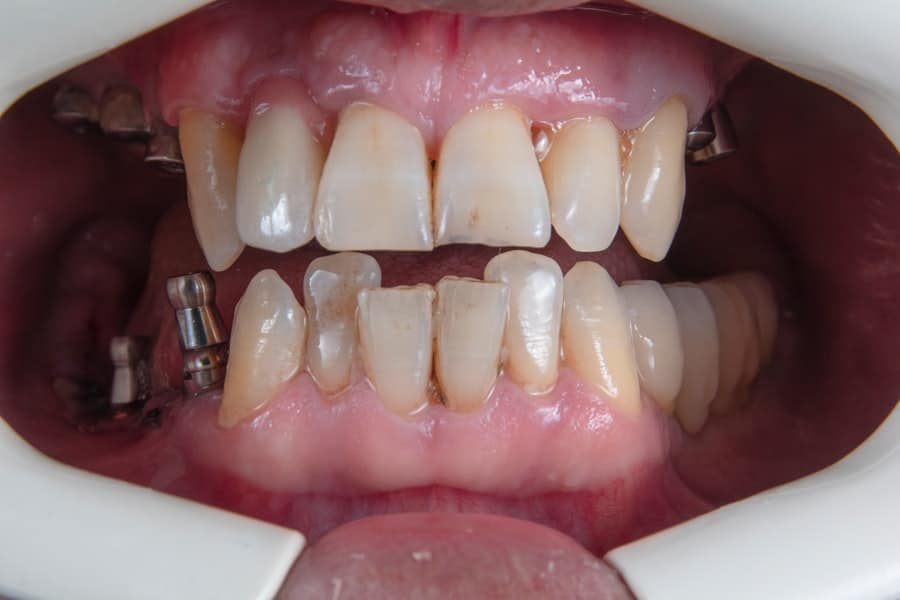
As you recover from dental implant surgery, it’s essential to be vigilant about recognizing signs of infection or complications. While some swelling and discomfort are normal, certain symptoms may indicate a problem that requires immediate attention. If you notice increased redness around the implant site, persistent swelling that doesn’t improve after a few days, or discharge of pus, these could be signs of infection.
Additionally, if you experience a fever or severe pain that doesn’t respond to medication, it’s crucial to contact your dentist right away. Early detection of complications can make a significant difference in treatment outcomes and help prevent further issues down the line. Trusting your instincts and being proactive about any concerning symptoms will empower you during your recovery journey.
Follow-up Appointments and Monitoring Progress
Follow-up appointments are an integral part of the dental implant recovery process. Your dentist will schedule these visits to monitor your healing progress and ensure that the implant is integrating properly with your jawbone. During these appointments, they will assess the surgical site for any signs of infection or complications and may take X-rays to evaluate how well the implant is settling in.
It’s essential to attend all scheduled follow-ups and communicate openly with your dentist about any concerns or questions you may have. These appointments not only provide an opportunity for professional evaluation but also allow you to receive personalized advice on how to care for your implant as it heals. By staying engaged in this process, you can contribute positively to your recovery and long-term success.
Managing Swelling and Bruising
Swelling and bruising are common after dental implant surgery, but there are effective strategies for managing these symptoms. Applying ice packs to the affected area during the first 24 hours can help minimize swelling significantly. You should aim for 15-20 minutes of ice application followed by a break; this cycle can help control inflammation without causing discomfort.
As time goes on, swelling should gradually subside. If you notice that it persists beyond a few days or worsens instead of improving, it’s essential to consult with your dentist. They may recommend additional measures or treatments to address any underlying issues contributing to prolonged swelling or bruising.
Tips for Rest and Relaxation During Recovery
Rest is one of the most critical components of a successful recovery from dental implant surgery. Your body needs time to heal, so prioritizing rest during this period is essential. Consider creating a comfortable space where you can relax—perhaps with pillows for support and entertainment options like books or movies at hand.
In addition to physical rest, mental relaxation is equally important. Engaging in calming activities such as meditation or gentle yoga can help reduce stress levels during recovery. Remember that taking time for yourself not only aids in physical healing but also contributes positively to your overall well-being during this transitional period.
How to Handle Temporary Discomfort and Adjustments
Temporary discomfort is often part of the dental implant recovery experience, but there are ways to manage it effectively. In addition to prescribed pain medications, over-the-counter options like ibuprofen can help alleviate mild discomfort as needed. It’s important not to exceed recommended dosages and consult with your dentist if you have any concerns about pain management.
As you adjust to having a dental implant, you may also experience changes in how your bite feels or how food interacts with the area around the implant. If these adjustments cause persistent discomfort or difficulty eating, don’t hesitate to reach out to your dentist for guidance on how best to navigate these changes.
Long-Term Care and Maintenance of Dental Implants
Once you’ve successfully navigated the initial recovery phase after dental implant surgery, long-term care becomes paramount for maintaining the health of your implants. Regular dental check-ups are essential; these visits allow your dentist to monitor the condition of both your implants and surrounding teeth while providing professional cleanings that help prevent gum disease. In addition to professional care, establishing a robust oral hygiene routine at home is vital for long-term success.
Brushing twice daily with fluoride toothpaste and flossing regularly will help keep plaque at bay and ensure that both natural teeth and implants remain healthy over time. By committing to these practices, you can enjoy the benefits of your dental implants for many years ahead while maintaining optimal oral health overall.
If you’re considering dental implants and want to ensure a smooth recovery process, it’s essential to follow some effective tips. For additional insights on maintaining your oral health during recovery, you might find this article on gum health and maintenance particularly helpful. Proper gum care is crucial for the success of your dental implants and can significantly impact your overall healing journey.
FAQs
What are dental implants?
Dental implants are artificial tooth roots that are placed in the jaw to support a replacement tooth or bridge. They provide a strong foundation for fixed or removable replacement teeth.
What is the recovery process like after getting dental implants?
The recovery process after getting dental implants can vary from person to person, but generally involves some discomfort, swelling, and minor bleeding in the days following the procedure. It is important to follow the post-operative care instructions provided by your dentist to ensure proper healing.
How long does it take to recover from dental implant surgery?
The recovery time from dental implant surgery can vary, but most people can expect to fully recover within 3 to 6 months. During this time, the implant will fuse with the jawbone in a process called osseointegration.
What are some tips for a smooth recovery after getting dental implants?
Some tips for a smooth recovery after getting dental implants include: following all post-operative care instructions provided by your dentist, managing pain and swelling with prescribed medications, eating soft foods and avoiding hard or crunchy foods, and maintaining good oral hygiene.
Are there any complications or risks associated with dental implant recovery?
While dental implant surgery is generally safe, there are some potential complications and risks associated with the recovery process, such as infection, nerve damage, and implant failure. It is important to closely follow your dentist’s instructions and attend all follow-up appointments to minimize these risks.