

Preventive dental care is the cornerstone of maintaining optimal oral health. By prioritizing preventive measures, you can significantly reduce the risk of developing serious dental issues such as cavities, gum disease, and tooth loss. Engaging in preventive care not only saves you from the discomfort and expense of extensive dental treatments but also contributes to your overall well-being.
When you take proactive steps to care for your teeth and gums, you are investing in a healthier future, one that allows you to enjoy a confident smile and the ability to eat and speak without discomfort. Moreover, preventive dental care extends beyond just the physical aspects of oral health. It encompasses education about proper oral hygiene practices, awareness of risk factors, and understanding the importance of regular dental visits.
By being informed and proactive, you empower yourself to make choices that positively impact your dental health. This holistic approach not only helps in preventing dental problems but also fosters a sense of responsibility towards your own health, encouraging you to adopt a lifestyle that prioritizes well-being.
Key Takeaways
- Preventive dental care is crucial for maintaining oral health and preventing dental issues in the future.
- Daily oral hygiene practices such as brushing and flossing are essential for preventing tooth decay and gum disease.
- Regular dental check-ups and cleanings help in early detection and prevention of dental problems.
- A healthy diet plays a significant role in maintaining good dental health and preventing cavities and gum disease.
- Fluoride helps in strengthening the teeth and preventing tooth decay, making it an important component of preventive dental care.
Daily Oral Hygiene Practices
Brushing Your Teeth
You should brush your teeth at least twice a day using fluoride toothpaste, ensuring that you cover all surfaces of your teeth. This practice helps remove plaque, a sticky film of bacteria that can lead to cavities and gum disease if not properly managed. Additionally, using a soft-bristled toothbrush can prevent damage to your gums while effectively cleaning your teeth. Remember to replace your toothbrush every three to four months or sooner if the bristles become frayed.
The Importance of Flossing
Flossing is another critical component of your daily oral hygiene routine. While brushing cleans the surfaces of your teeth, flossing reaches the areas between your teeth where a toothbrush cannot. By incorporating flossing into your daily regimen, you can remove food particles and plaque buildup that contribute to tooth decay and gum disease.
Alternative Flossing Options
If traditional floss is challenging for you to use, consider alternatives like floss picks or water flossers, which can make the process easier and more enjoyable.
Regular Dental Check-ups and Cleanings
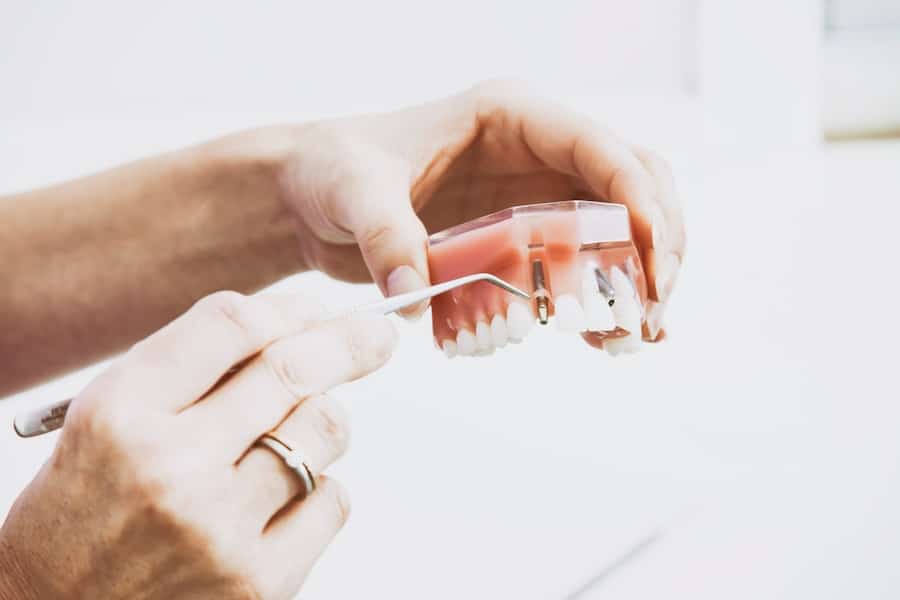
Regular dental check-ups and cleanings are vital for maintaining your oral health. You should aim to visit your dentist at least twice a year for these appointments. During a check-up, your dentist will examine your teeth and gums for any signs of decay or disease, allowing for early detection and intervention if necessary.
This proactive approach can save you from more extensive treatments down the line and help maintain your overall dental health. Professional cleanings performed by dental hygienists are equally important. These cleanings remove tartar buildup that regular brushing and flossing cannot eliminate.
Tartar can lead to gum disease if left untreated, so having it removed during your dental visits is crucial. Additionally, these appointments provide an opportunity for you to ask questions about your oral health and receive personalized advice on improving your dental care routine. By committing to regular check-ups and cleanings, you are taking an essential step toward preserving your smile for years to come.
Importance of a Healthy Diet for Dental Health
Your diet plays a significant role in your dental health, influencing everything from the strength of your teeth to the health of your gums. Consuming a balanced diet rich in vitamins and minerals is essential for maintaining strong teeth and preventing decay. Foods high in calcium, such as dairy products, leafy greens, and almonds, help strengthen tooth enamel, while vitamin C-rich foods like oranges and strawberries support gum health by promoting collagen production.
Conversely, a diet high in sugar can be detrimental to your oral health. Sugary foods and beverages provide fuel for harmful bacteria in your mouth, leading to plaque formation and an increased risk of cavities. It’s important to be mindful of your sugar intake and opt for healthier snacks like fruits, vegetables, nuts, and whole grains whenever possible.
By making conscious dietary choices, you can significantly enhance your dental health while also benefiting your overall well-being.
The Role of Fluoride in Preventive Dental Care
Fluoride is a naturally occurring mineral that plays a crucial role in preventive dental care. It helps strengthen tooth enamel, making it more resistant to decay caused by acids produced by bacteria in the mouth. Many communities add fluoride to their drinking water supply, which has been shown to reduce cavities significantly among residents.
Additionally, fluoride is often found in toothpaste and mouth rinses, providing an extra layer of protection against tooth decay. Incorporating fluoride into your oral care routine can be particularly beneficial for children, as their developing teeth are more susceptible to decay. However, adults can also benefit from fluoride treatments during dental visits or through the use of fluoride toothpaste.
By understanding the importance of fluoride in maintaining strong teeth, you can take proactive steps to protect your smile from decay and ensure long-lasting oral health.
The Importance of Using Mouthguards for Sports
If you participate in sports or physical activities, using a mouthguard is essential for protecting your teeth from injury. Mouthguards act as a cushion between your teeth and any potential impact, reducing the risk of fractures, dislocations, or even tooth loss during contact sports. Whether you’re playing football, basketball, or engaging in martial arts, wearing a mouthguard can significantly decrease the likelihood of dental injuries.
There are various types of mouthguards available, including stock mouthguards, boil-and-bite options, and custom-fitted guards made by dental professionals. While stock mouthguards are readily available at sporting goods stores, custom-fitted options provide the best protection and comfort since they are tailored specifically to fit your mouth. Investing in a quality mouthguard is a small price to pay for safeguarding your smile while enjoying the activities you love.
How to Avoid Dental Emergencies
Dental emergencies can happen unexpectedly, but there are steps you can take to minimize the risk of experiencing one. First and foremost, maintaining good oral hygiene practices is crucial in preventing issues that could lead to emergencies. Regular check-ups with your dentist will also help identify potential problems before they escalate into urgent situations.
In addition to routine care, being mindful of how you treat your teeth can prevent accidents. Avoid using your teeth as tools for opening packages or bottles, as this can lead to chips or fractures. If you participate in contact sports or activities with a high risk of injury, always wear a mouthguard to protect against trauma.
By taking these precautions and being proactive about your dental health, you can significantly reduce the likelihood of facing a dental emergency.
The Impact of Smoking and Alcohol on Dental Health
Smoking and excessive alcohol consumption have detrimental effects on dental health that cannot be overlooked. Tobacco use is linked to an increased risk of gum disease, tooth decay, and even oral cancer. The chemicals in cigarettes can weaken the immune system’s ability to fight off infections in the mouth, making it easier for gum disease to develop.
Additionally, smoking can lead to bad breath and stained teeth, impacting both your oral health and self-esteem. Alcohol consumption also poses risks to dental health. Excessive drinking can lead to dry mouth—a condition that reduces saliva production and increases the likelihood of cavities and gum disease.
Furthermore, many alcoholic beverages are acidic or sugary, which can erode tooth enamel over time. By being aware of these risks associated with smoking and alcohol consumption, you can make informed choices that promote better oral health and overall well-being. In conclusion, prioritizing preventive dental care is essential for maintaining optimal oral health throughout your life.
By adopting daily oral hygiene practices, attending regular check-ups, maintaining a healthy diet, utilizing fluoride effectively, protecting yourself with mouthguards during sports activities, avoiding risky behaviors like smoking and excessive drinking, and being proactive about preventing emergencies, you empower yourself to achieve a healthy smile that lasts a lifetime. Your commitment to these practices not only enhances your dental health but also contributes positively to your overall quality of life.
If you are looking for more information on preventive dental care, you may want to check out this article on maintaining good oral hygiene in Orem, Utah. This article provides tips and advice on how to keep your teeth and gums healthy through regular brushing, flossing, and dental check-ups. It also emphasizes the importance of preventive care in avoiding more serious dental issues down the road. By following the recommendations in this article, you can ensure that your smile stays bright and healthy for years to come.
FAQs
What is preventive dental care?
Preventive dental care involves practices and treatments aimed at maintaining good oral health and preventing dental problems such as cavities, gum disease, and enamel wear.
What are some examples of preventive dental care?
Examples of preventive dental care include regular dental check-ups, professional cleanings, fluoride treatments, dental sealants, and practicing good oral hygiene at home.
Why is preventive dental care important?
Preventive dental care is important because it helps to maintain good oral health, prevent dental problems, and detect any issues early on before they become more serious and costly to treat.
How often should I visit the dentist for preventive care?
It is recommended to visit the dentist for a check-up and professional cleaning at least every six months, or as advised by your dentist based on your individual oral health needs.
What are the benefits of preventive dental care?
The benefits of preventive dental care include maintaining healthy teeth and gums, preventing dental problems, saving money on potential future dental treatments, and reducing the risk of other health issues related to poor oral health.


