

Navigating the complexities of Medicare can be daunting, especially when it comes to understanding what dental services are covered. Generally, Medicare does not provide coverage for routine dental care, which includes services such as cleanings, fillings, and extractions. However, there are exceptions to this rule.
For instance, if you require dental work that is deemed medically necessary—such as surgery to correct jaw issues or dental procedures related to a medical condition—Medicare may cover those costs. It’s crucial for you to familiarize yourself with these nuances to avoid unexpected expenses. To determine whether your dental work qualifies for coverage, you should consult with your healthcare provider.
They can help you understand the medical necessity of your procedure and guide you through the process of obtaining pre-approval from Medicare. Additionally, reviewing your Medicare plan documents can provide clarity on what is and isn’t covered. By being proactive and informed, you can better navigate the often confusing landscape of Medicare dental coverage.
Key Takeaways
- Medicare does not typically cover routine dental care, but may cover dental work in certain medical situations.
- Private insurance options for cosmetic dental work may include dental insurance plans or supplemental insurance plans.
- Medicare and private insurance can work together to cover different aspects of dental care, such as medical and cosmetic procedures.
- Both Medicare and private insurance have limitations when it comes to covering cosmetic dental work, which may require out-of-pocket expenses.
- Alternatives to Medicare and private insurance for cosmetic dental work may include dental discount plans or financing options.
Exploring Private Insurance Options for Cosmetic Dental Work
When it comes to cosmetic dental work, private insurance options can offer a more comprehensive solution than Medicare. Many private insurance plans include coverage for certain cosmetic procedures, such as teeth whitening, veneers, and orthodontics. However, the extent of this coverage can vary significantly from one plan to another.
As you explore your options, it’s essential to read the fine print and understand the specifics of what each plan offers. In addition to traditional insurance plans, you might also consider dental discount plans or health savings accounts (HSAs). Dental discount plans typically provide reduced rates for various procedures at participating dentists, making them an attractive option for those seeking cosmetic enhancements.
HSAs allow you to set aside pre-tax dollars for medical expenses, including dental work. By evaluating these alternatives alongside traditional insurance, you can find a solution that best fits your needs and budget.
How Medicare and Private Insurance Can Work Together
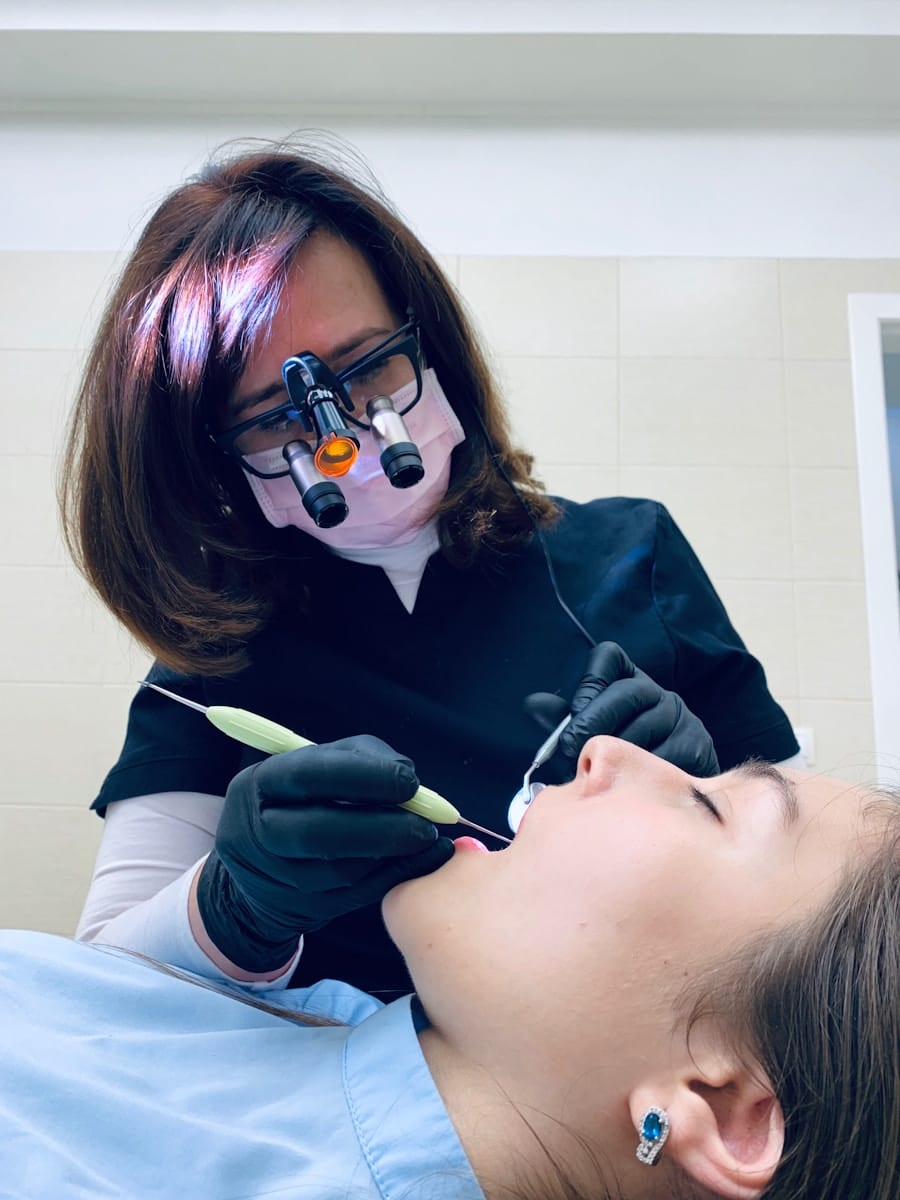
If you have both Medicare and a private insurance plan, understanding how they can work together is essential for maximizing your benefits. This coordination of benefits can help reduce your out-of-pocket costs for dental work. Typically, Medicare will be your primary insurance, meaning it pays first for covered services.
After Medicare processes your claim, your private insurance may cover some or all of the remaining costs, depending on your specific policy. To ensure that you are taking full advantage of both plans, it’s advisable to communicate with both your Medicare representative and your private insurance provider. They can provide guidance on how to file claims correctly and what documentation is necessary for reimbursement.
By being diligent in this process, you can potentially save a significant amount on your cosmetic dental work.
Limitations of Medicare and Private Insurance for Cosmetic Dental Work
Despite the potential benefits of combining Medicare and private insurance, there are still limitations that you should be aware of when it comes to cosmetic dental work. For instance, many private insurance plans have exclusions for purely cosmetic procedures that are not deemed medically necessary. This means that if you’re seeking enhancements solely for aesthetic reasons—like teeth whitening or smile makeovers—you may find that your insurance does not cover these costs.
Moreover, even when procedures are covered, there may be waiting periods or annual limits on benefits that could affect your ability to receive timely care. It’s important to review your policy details carefully and consult with your insurance agent to understand these limitations fully. By being informed about what is and isn’t covered, you can make more strategic decisions regarding your dental care.
Alternatives to Medicare and Private Insurance for Cosmetic Dental Work
If traditional Medicare and private insurance options do not meet your needs for cosmetic dental work, there are several alternatives worth considering. One popular option is dental financing plans, which allow you to pay for procedures over time through manageable monthly payments. Many dental practices offer in-house financing or partner with third-party lenders to provide flexible payment options tailored to your financial situation.
Another alternative is seeking care at dental schools or clinics that offer services at reduced rates. Dental students often perform procedures under the supervision of experienced faculty members, allowing you to receive quality care at a fraction of the cost. While this option may require more time due to the learning process involved, it can be a viable solution if you’re looking to save money on cosmetic treatments.
Tips for Managing Costs of Cosmetic Dental Work
Comparing Costs and Finding the Right Provider
One effective strategy is to obtain multiple quotes from different dental providers before making a decision. Prices can vary widely based on location, experience, and the complexity of the procedure. By comparing costs, you can find a provider who offers quality care at a price that fits your budget.
Timing Your Procedures Strategically
Consider timing your procedures strategically. Some dental offices may offer seasonal promotions or discounts during certain times of the year. Staying informed about these opportunities can help you save money on treatments that you may have been planning for some time.
Discussing Payment Plans with Your Dentist
Furthermore, don’t hesitate to discuss payment plans with your dentist; many are willing to work with patients to create a financial arrangement that eases the burden of upfront costs.
Considering the Long-Term Benefits of Cosmetic Dental Work
While the initial costs of cosmetic dental work may seem daunting, it’s essential to consider the long-term benefits that such investments can yield. A beautiful smile can significantly boost your self-esteem and confidence, impacting various aspects of your life—from personal relationships to professional opportunities. When you feel good about your appearance, it often translates into a more positive outlook on life.
Moreover, certain cosmetic procedures can also improve oral health in the long run. For example, orthodontic treatments not only enhance aesthetics but also contribute to better alignment and function of teeth, reducing the risk of future dental issues. By viewing cosmetic dental work as an investment in both your appearance and overall well-being, you can make more informed decisions about which procedures are right for you.
Consulting with Dental and Insurance Professionals
Finally, one of the most effective ways to navigate the complexities of cosmetic dental work and insurance coverage is by consulting with professionals in both fields. A knowledgeable dentist can provide insights into which procedures are best suited for your needs and how they align with your budget. They can also help you understand any potential medical necessity aspects that could influence insurance coverage.
Simultaneously, speaking with an insurance agent who specializes in dental plans can clarify any questions you have regarding coverage options and limitations. They can assist you in finding a plan that meets your needs while maximizing benefits for cosmetic procedures. By leveraging the expertise of both dental and insurance professionals, you can make well-informed decisions that lead to successful outcomes in your cosmetic dental journey.
If you are considering cosmetic dental work and wondering about combining Medicare and private insurance to cover the costs, you may also be interested in reading about dental services available in Sandy Springs, Georgia. This article provides information on dental clinics in the area that offer a variety of services, including cosmetic procedures. By exploring your options in different locations, you can find the best solution for your dental needs.
FAQs
What is Medicare?
Medicare is a federal health insurance program for people who are 65 or older, certain younger people with disabilities, and people with End-Stage Renal Disease (permanent kidney failure requiring dialysis or a transplant).
What does Medicare cover?
Medicare typically covers medically necessary dental procedures, such as those related to a medical condition or emergency care. However, it does not cover routine dental care, including cosmetic dental work.
What is private insurance?
Private insurance refers to health insurance plans that are not provided by the government. These plans are typically offered by employers or purchased individually.
Can I combine Medicare and private insurance to cover cosmetic dental work?
In most cases, Medicare does not cover cosmetic dental work, and private insurance may also have limitations on coverage for cosmetic procedures. It is important to check with your private insurance provider to understand what dental services are covered under your plan.
Are there any options for covering cosmetic dental work?
Some private insurance plans may offer coverage for cosmetic dental procedures, so it is important to review your plan’s coverage details. Additionally, some dental discount plans or supplemental dental insurance plans may offer coverage for cosmetic dental work. It is recommended to research and compare different options to find the best solution for your needs.


