
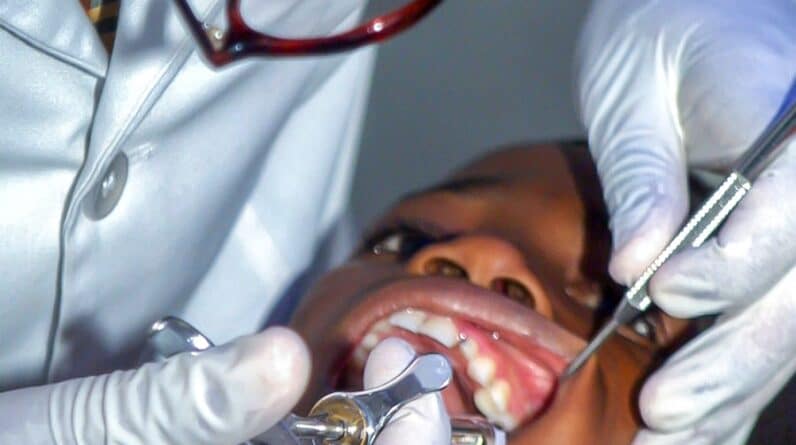
Navigating the complexities of Medicare can be a daunting task, especially when it comes to understanding what is covered under this federal health insurance program. Medicare is primarily designed to provide health coverage for individuals aged 65 and older, as well as certain younger individuals with disabilities. It consists of different parts, each serving a specific purpose.
Part A covers hospital insurance, while Part B focuses on outpatient care, preventive services, and some doctor visits. However, when it comes to dental care, the coverage can be quite limited, which is crucial for you to understand as you plan your healthcare needs. As you delve deeper into Medicare coverage, it’s essential to recognize that while it offers a broad range of medical services, dental care is not a primary focus.
Most dental services are not covered under Original Medicare (Parts A and B). This means that routine check-ups, cleanings, and other preventive dental care are typically out-of-pocket expenses for you. Understanding these limitations can help you make informed decisions about your dental health and financial planning.
If you require dental services, you may need to explore additional options or supplemental insurance plans that can help cover these costs.
Key Takeaways
- Medicare coverage for dental services is limited and often does not include routine dental care.
- Medicare typically covers dental services that are necessary for the treatment of a medical condition, such as oral surgery related to a medical procedure.
- Cosmetic dental procedures, such as teeth whitening, are generally not covered by Medicare.
- Alternative options for teeth whitening, such as over-the-counter products or professional dental treatments, may be available for those seeking a brighter smile.
- Maintaining good dental health is important for overall well-being and can help prevent more serious health issues.
Limitations on Dental Coverage
The limitations on dental coverage under Medicare can be frustrating for many beneficiaries. While Medicare does provide some coverage for certain dental procedures performed in a hospital setting, such as jaw surgery or treatment for oral cancers, routine dental care is largely excluded. This means that if you need a simple cleaning or a filling, you will likely have to pay for these services entirely out of your own pocket.
This lack of coverage can lead to significant financial burdens, especially if you require extensive dental work. Moreover, the absence of comprehensive dental coverage can have broader implications for your overall health. Poor dental health has been linked to various systemic conditions, including heart disease and diabetes.
When you are unable to access necessary dental care due to cost constraints, it can lead to a cycle of neglect that ultimately affects your physical well-being. Understanding these limitations is crucial for you as it emphasizes the importance of seeking alternative solutions or supplemental insurance that can help bridge the gap in coverage.
Types of Dental Services Covered by Medicare
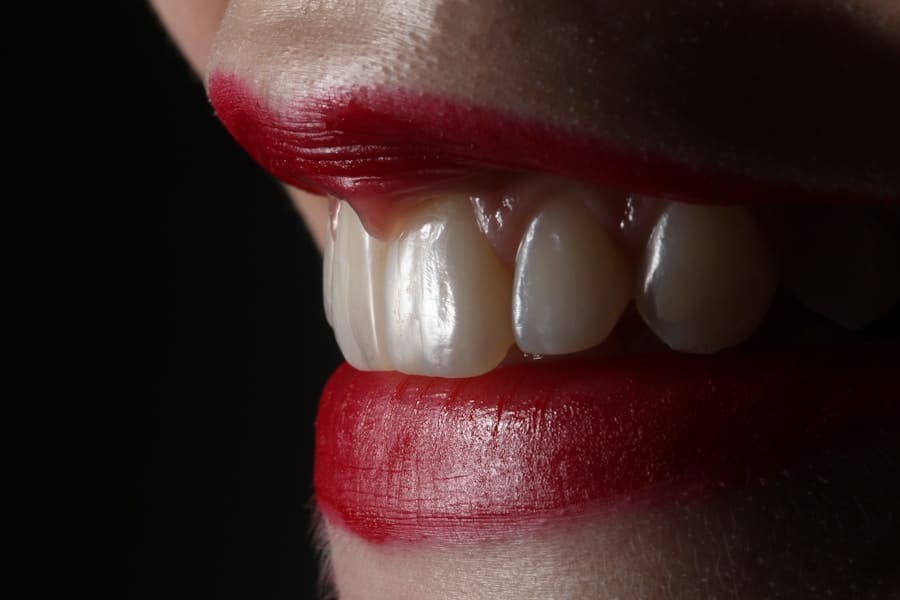
While Medicare’s coverage for dental services is limited, there are specific situations where some dental procedures may be covered. For instance, if you require dental work that is deemed medically necessary as part of a larger treatment plan—such as surgery related to a medical condition—Medicare may provide coverage. This could include procedures like tooth extractions if they are necessary for the treatment of a medical issue.
However, these instances are exceptions rather than the rule. In addition to surgical procedures, Medicare may cover certain diagnostic services related to dental health if they are performed in conjunction with other medical treatments. For example, if you need imaging studies like X-rays for a medical condition that also involves your teeth or jaw, those may be covered under Medicare.
However, it’s important to note that routine dental exams and preventive care remain outside the scope of Medicare coverage. As you consider your dental health needs, it’s vital to be aware of these nuances so you can effectively plan for any potential out-of-pocket expenses.
Cosmetic Dental Procedures and Medicare
When it comes to cosmetic dental procedures, Medicare does not provide coverage under any circumstances. This includes popular treatments such as teeth whitening, veneers, and orthodontics aimed at improving the appearance of your smile rather than addressing medical issues. The rationale behind this exclusion is that cosmetic procedures are considered elective and not medically necessary.
Therefore, if you are looking to enhance your smile through cosmetic dentistry, you will need to budget for these expenses independently. The lack of coverage for cosmetic procedures can be disappointing if you have been considering options to improve your smile. However, understanding this limitation allows you to explore alternative avenues for achieving your desired results.
Many dental practices offer financing options or payment plans that can make cosmetic treatments more accessible. Additionally, some dental insurance plans may offer partial coverage for certain cosmetic procedures, so it’s worth investigating all available options before making a decision.
Alternative Options for Teeth Whitening
If you’re interested in teeth whitening but find that Medicare does not cover the costs associated with this cosmetic procedure, there are several alternative options available to you. Over-the-counter whitening products, such as strips and gels, can be an affordable way to achieve a brighter smile from the comfort of your home. These products often come with instructions that make them easy to use and can yield noticeable results over time.
In addition to at-home treatments, many dental offices offer professional whitening services that can provide faster and more dramatic results compared to over-the-counter options. While these services may come with a higher price tag, they often include personalized care and supervision from a dental professional. Some practices may even offer promotional deals or packages that can help reduce the overall cost.
Exploring these alternatives allows you to find a teeth whitening solution that fits both your budget and your aesthetic goals.
Importance of Dental Health
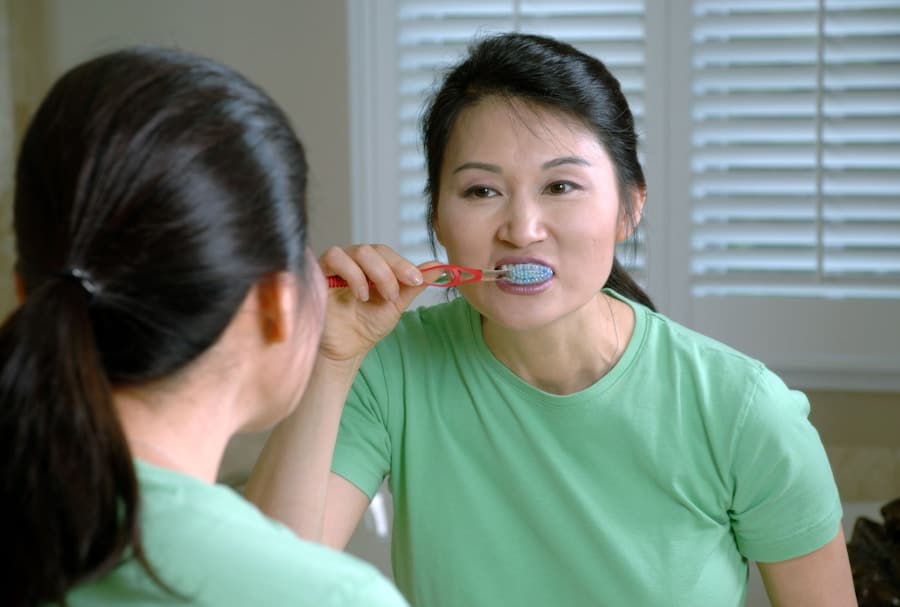
Maintaining good dental health is essential not only for your oral hygiene but also for your overall well-being. Research has shown that poor dental health can lead to various health issues beyond just cavities and gum disease. Conditions such as heart disease, diabetes, and respiratory infections have all been linked to oral health problems.
Therefore, prioritizing your dental care is crucial in preventing these potential complications. Moreover, good dental health contributes significantly to your quality of life. A healthy smile boosts your confidence and self-esteem while allowing you to enjoy social interactions without hesitation.
Regular dental check-ups and cleanings play a vital role in preventing issues before they escalate into more serious problems. By understanding the importance of maintaining your dental health, you empower yourself to take proactive steps toward ensuring a healthier future.
Cost of Teeth Whitening
The cost of teeth whitening can vary widely depending on the method you choose and where you receive the treatment. Over-the-counter products typically range from $20 to $100, making them an accessible option for many individuals looking to brighten their smiles without breaking the bank. However, results from these products may take longer to achieve and may not be as dramatic as professional treatments.
On the other hand, professional teeth whitening services offered by dentists can range from $300 to $1,000 or more, depending on the type of treatment and the location of the dental practice. While this investment may seem steep, many individuals find that the immediate results and personalized care justify the expense. Additionally, some dental offices offer financing options or membership plans that can help make professional whitening more affordable over time.
Understanding the costs associated with teeth whitening allows you to make informed decisions based on your budget and desired outcomes.
Tips for Maintaining a Healthy Smile
Maintaining a healthy smile goes beyond just regular brushing and flossing; it involves adopting a comprehensive approach to oral hygiene and lifestyle choices. One of the most effective ways to keep your teeth healthy is by establishing a consistent oral care routine that includes brushing twice a day with fluoride toothpaste and flossing daily. This routine helps remove plaque buildup and prevents cavities and gum disease.
In addition to proper oral hygiene practices, paying attention to your diet can significantly impact your dental health. Limiting sugary snacks and beverages while incorporating more fruits and vegetables into your meals can help strengthen your teeth and gums. Staying hydrated by drinking plenty of water also aids in washing away food particles and bacteria in your mouth.
Regular visits to your dentist for check-ups and cleanings are equally important in maintaining optimal oral health. By following these tips and being proactive about your dental care, you can enjoy a healthy smile for years to come.
If you are interested in the latest advancements in dentistry, you may want to check out this article on