

Navigating the complexities of Medicare can be daunting, especially when it comes to understanding what dental care is covered. As a Medicare recipient, you may find that traditional Medicare (Part A and Part B) does not include routine dental services. This means that services such as cleanings, fillings, and extractions are typically not covered under standard Medicare plans.
However, there are exceptions to this rule. For instance, if you require dental care as part of a hospital stay or if you have a medical condition that necessitates dental treatment, Medicare may cover those specific services. To enhance your dental coverage, you might consider enrolling in a Medicare Advantage plan (Part C).
Many of these plans offer additional benefits, including dental coverage that can help offset the costs of routine care. It’s essential to review the specifics of each plan, as coverage can vary significantly. Understanding the nuances of your Medicare options will empower you to make informed decisions about your dental health and ensure that you receive the care you need without incurring excessive out-of-pocket expenses.
Key Takeaways
- Medicare does not typically cover routine dental care, but there are options for coverage through Medicare Advantage plans or standalone dental insurance.
- Look for dentists in your community who accept Medicare or offer discounted services for Medicare recipients.
- Community dental care can provide affordable and accessible services for Medicare recipients, including preventive care and treatment.
- Regular dental check-ups are important for Medicare recipients to maintain good oral health and catch any issues early on.
- Affordable dental care options for Medicare recipients include dental discount plans, low-cost clinics, and sliding scale fees at community health centers.
Finding Medicare-friendly Dentists in Your Community
Utilize Official Resources
Once you understand your Medicare dental coverage, the next step is to find a dentist who accepts your plan. You can start by checking the official Medicare website or contacting your Medicare Advantage provider for a list of participating dentists in your area. Many providers maintain an updated directory of dentists who accept their plans, making it easier for you to find someone who meets your needs.
Explore Local Resources
Additionally, consider reaching out to local dental associations or community health centers. These organizations often have resources and referrals for dentists who are familiar with Medicare and its requirements.
Get Personal Recommendations
You can also ask friends or family members for recommendations, as personal experiences can provide valuable insights into the quality of care offered by local practitioners. By taking the time to research and connect with Medicare-friendly dentists, you can ensure that your dental care aligns with your coverage and financial situation.
Benefits of Community Dental Care for Medicare Recipients
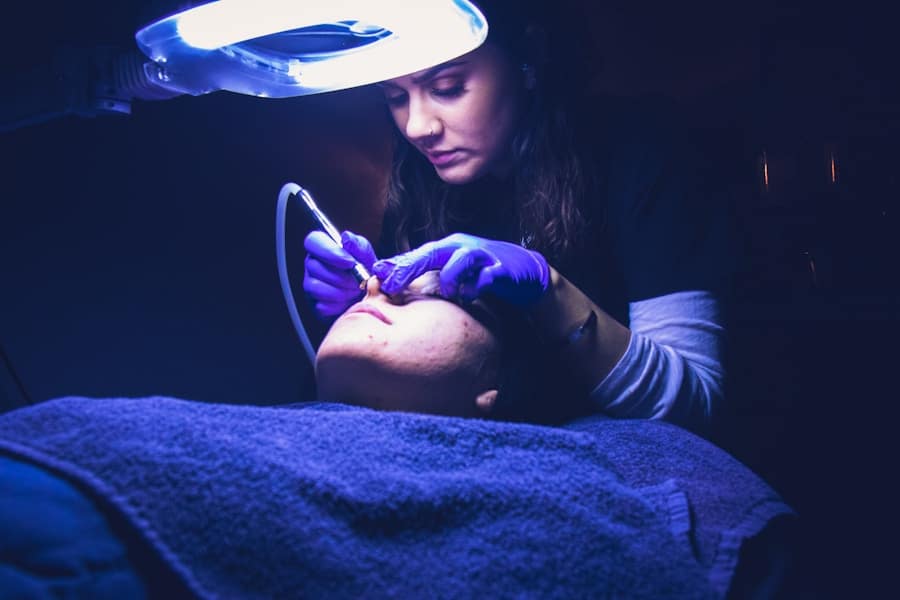
Community dental care offers numerous advantages for Medicare recipients seeking affordable and accessible dental services. One of the primary benefits is the emphasis on preventive care. Community clinics often focus on educating patients about oral hygiene and preventive measures, which can lead to better overall health outcomes.
By prioritizing preventive care, these clinics help reduce the need for more extensive and costly treatments down the line. Moreover, community dental care facilities typically offer a sliding scale for fees based on income, making it easier for individuals on fixed incomes to access necessary services. This affordability is crucial for many Medicare recipients who may be managing multiple healthcare expenses.
By utilizing community resources, you can receive quality dental care without the financial burden that often accompanies private practices. This approach not only supports your oral health but also fosters a sense of community and connection among patients and providers.
Importance of Regular Dental Check-ups for Medicare Recipients
Regular dental check-ups are vital for maintaining good oral health, especially for Medicare recipients who may be at higher risk for dental issues due to age or underlying health conditions. These routine visits allow your dentist to monitor your oral health closely, identify potential problems early, and provide timely interventions. Neglecting regular check-ups can lead to more severe issues, such as gum disease or tooth decay, which may require extensive treatment and higher costs.
In addition to preventing serious dental problems, regular check-ups also contribute to your overall health. Research has shown a strong link between oral health and systemic conditions such as heart disease and diabetes. By prioritizing your dental visits, you are not only taking care of your teeth but also supporting your overall well-being.
Establishing a routine with your dentist can help you stay proactive about your health and ensure that any concerns are addressed promptly.
Affordable Dental Care Options for Medicare Recipients
Finding affordable dental care can be challenging, but there are several options available for Medicare recipients looking to manage their oral health without breaking the bank. One option is to explore dental discount plans, which provide reduced rates on various dental services in exchange for an annual fee. These plans can be particularly beneficial if you require frequent dental visits or specific treatments not covered by Medicare.
Another avenue to consider is local dental schools, where students provide services under the supervision of experienced faculty members. These clinics often offer significantly reduced rates for various procedures, making them an excellent choice for those seeking affordable care. While the wait times may be longer due to the educational nature of these facilities, the quality of care is typically high, and you can feel good about supporting the next generation of dental professionals.
Accessing Preventive Dental Services through Community Programs
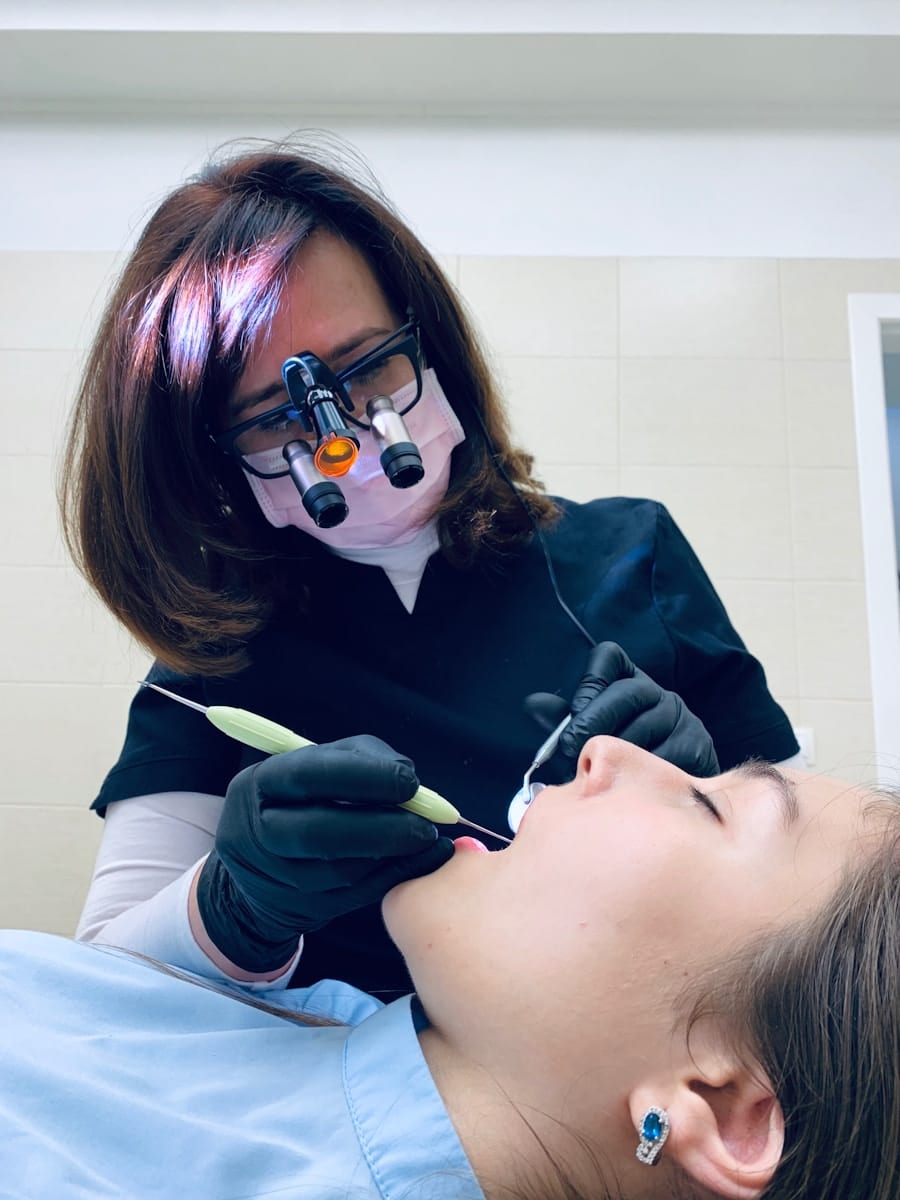
Community programs play a crucial role in providing preventive dental services to Medicare recipients who may otherwise struggle to access care. Many local health departments and non-profit organizations offer free or low-cost dental screenings, cleanings, and educational workshops focused on oral hygiene. These programs aim to improve community health by addressing disparities in access to dental care.
Participating in these community initiatives not only helps you maintain your oral health but also connects you with valuable resources and support networks. You may find opportunities to engage with other community members who share similar experiences and challenges regarding dental care. By taking advantage of these programs, you can enhance your understanding of oral health while receiving essential services that contribute to your overall well-being.
How to Make the Most of Your Medicare Dental Benefits
To maximize your Medicare dental benefits, it’s essential to stay informed about what is covered under your plan and how to utilize those benefits effectively. Start by reviewing your plan documents carefully to understand the specifics of your coverage, including any limitations or exclusions related to dental services. This knowledge will empower you to make informed decisions about your care and avoid unexpected costs.
Additionally, don’t hesitate to communicate openly with your dentist about your coverage and any financial concerns you may have. Many dentists are willing to work with patients to create payment plans or suggest alternative treatments that align with their insurance benefits. By fostering a collaborative relationship with your dental provider, you can ensure that you receive the best possible care while making the most of your Medicare benefits.
Tips for Maintaining Good Oral Health as a Medicare Recipient
Maintaining good oral health is essential for everyone, but it becomes increasingly important as you age. As a Medicare recipient, there are several proactive steps you can take to ensure that your oral hygiene remains a priority. First and foremost, establish a daily routine that includes brushing twice a day with fluoride toothpaste and flossing regularly.
These simple practices can significantly reduce the risk of cavities and gum disease. In addition to daily hygiene practices, consider incorporating a balanced diet rich in vitamins and minerals that support oral health. Foods high in calcium, such as dairy products and leafy greens, can strengthen teeth and bones.
Staying hydrated is also crucial; drinking plenty of water helps wash away food particles and bacteria that can lead to decay. By adopting these habits and prioritizing your oral health, you can enjoy a healthier smile and overall well-being as a Medicare recipient. In conclusion, understanding Medicare coverage for dental care is essential for making informed decisions about your oral health as a recipient.
By finding community resources and affordable options, prioritizing regular check-ups, and maintaining good oral hygiene practices, you can navigate the complexities of dental care while ensuring that you receive the necessary support for a healthy smile.
If you are looking for Medicare-friendly dentists near you, be sure to check out the article on Scranton, Pennsylvania. This article provides valuable information on dental care options in the area and can help you find a dentist that accepts Medicare. Whether you are in Tucson, Arizona or Conway, Arkansas, there are resources available to help you access the dental care you need. Don’t let financial barriers prevent you from getting the care you deserve.
FAQs
What is community dental care?
Community dental care refers to dental services provided to individuals within a specific community or area. These services may be offered by local dental clinics, community health centers, or mobile dental units, and are often aimed at providing affordable and accessible dental care to underserved populations.
What types of dental services are typically offered in community dental care settings?
Community dental care settings may offer a range of dental services, including preventive care (such as cleanings and exams), restorative treatments (such as fillings and crowns), extractions, and in some cases, limited orthodontic services. The specific services offered can vary depending on the resources and capabilities of the individual dental provider.
What are Medicare-friendly dentists?
Medicare-friendly dentists are dental providers who are willing to accept Medicare beneficiaries as patients and are familiar with the coverage and reimbursement policies of Medicare. While Medicare typically does not cover routine dental care, including cleanings and fillings, some Medicare Advantage plans may offer dental benefits, and it’s important for beneficiaries to find dentists who are willing to work with their specific plan.
How can I find Medicare-friendly dentists near me?
To find Medicare-friendly dentists near you, you can start by contacting your Medicare Advantage plan to inquire about in-network dental providers. You can also use online provider directories, such as the Medicare.gov Physician Compare tool, to search for dentists who accept Medicare in your area. Additionally, reaching out to local community health centers or dental clinics that serve Medicare beneficiaries may help you find suitable dental care options.
What are some common barriers to accessing dental care for Medicare beneficiaries?
Some common barriers to accessing dental care for Medicare beneficiaries include the lack of dental coverage under original Medicare, limited dental benefits offered by some Medicare Advantage plans, and the potential difficulty in finding dentists who accept Medicare. Additionally, cost can be a significant barrier for many older adults, as dental care expenses are often paid out-of-pocket.


