
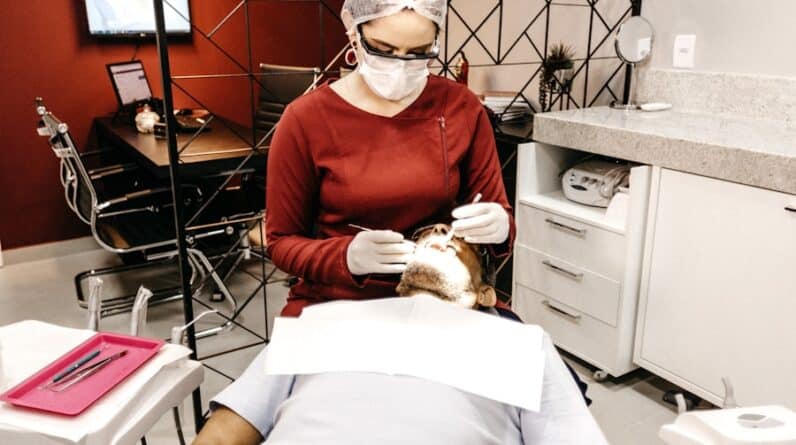
Navigating the world of healthcare can often feel overwhelming, especially when it comes to dental care. If you are a Medicare beneficiary, understanding your options for dental services is crucial. Medicare-accepting dentists play a vital role in ensuring that you receive the dental care you need without incurring exorbitant out-of-pocket expenses.
These professionals are not only familiar with the intricacies of Medicare coverage but also committed to providing quality care tailored to your specific needs. As you embark on your journey to find a dentist who accepts Medicare, it’s essential to grasp the nuances of what this means for your dental health. Medicare does not cover most dental procedures, but there are exceptions and specific circumstances under which dental services may be covered.
By choosing a Medicare-accepting dentist, you can ensure that you are making informed decisions about your oral health while maximizing your benefits. This article will guide you through the essential aspects of Medicare coverage for dental services, the benefits of choosing a Medicare-accepting dentist, and practical tips for finding the right provider for your needs.
Key Takeaways
- Medicare-accepting dentists provide dental services to Medicare beneficiaries, helping them access necessary dental care.
- Medicare coverage for dental services is limited, but Medicare-accepting dentists can provide essential preventive and restorative care.
- Choosing Medicare-accepting dentists can help beneficiaries save on out-of-pocket costs and receive quality dental care.
- Finding Medicare-accepting dentists in your area can be done through the Medicare website or by contacting local dental offices.
- When choosing a Medicare-accepting dentist, consider factors such as location, cost, and the dentist’s experience with Medicare patients.
Understanding Medicare Coverage for Dental Services
What’s Not Covered
Original Medicare (Part A and Part B) does not typically cover routine dental services such as cleanings, fillings, or extractions. However, there are specific situations where dental care may be covered.
Exceptions to the Rule
For instance, if you require dental work as part of a medical procedure—such as surgery for jaw issues or treatment for oral cancer—Medicare may provide coverage for those services.
Medicare Advantage Plans
Some Medicare Advantage plans (Part C) offer more comprehensive dental coverage, including preventive and routine services. These plans vary widely in terms of what they cover, so it’s essential to review the specifics of your plan.
Make Informed Choices
Understanding these distinctions can help you make informed choices about your dental care and avoid unexpected costs. By being proactive and knowledgeable about your coverage, you can better navigate the complexities of dental health under Medicare.
Benefits of Choosing Medicare-accepting Dentists
Opting for a Medicare-accepting dentist comes with several advantages that can significantly enhance your dental experience. First and foremost, these dentists are well-versed in the intricacies of Medicare coverage, which means they can help you understand what services are available to you and how to maximize your benefits. This expertise can alleviate some of the stress associated with managing your healthcare costs and ensure that you receive the necessary treatments without financial strain.
Moreover, choosing a dentist who accepts Medicare often leads to better communication regarding billing and insurance claims. These professionals typically have systems in place to handle Medicare paperwork efficiently, reducing the likelihood of billing errors or misunderstandings. This streamlined process allows you to focus on your oral health rather than getting bogged down by administrative tasks.
Ultimately, selecting a Medicare-accepting dentist can lead to a more positive and less stressful dental experience.
How to Find Medicare-accepting Dentists in Your Area
Finding a dentist who accepts Medicare in your area may seem daunting at first, but there are several resources available to simplify the process. One of the most effective ways to start your search is by utilizing the official Medicare website. The site offers a tool that allows you to search for healthcare providers based on your location and specific needs.
By entering your zip code and selecting “dentists,” you can generate a list of local providers who accept Medicare. In addition to online resources, consider reaching out to your primary care physician or local health department for recommendations. They may have insights into dentists in your area who accept Medicare and can provide valuable information about their services and reputation.
Furthermore, word-of-mouth referrals from friends or family members can also lead you to trustworthy dentists who prioritize patient care and accept Medicare.
Tips for Choosing the Right Medicare-accepting Dentist
When selecting a Medicare-accepting dentist, it’s essential to consider several factors to ensure that you find the right fit for your needs. Start by evaluating the dentist’s qualifications and experience. Look for professionals who have received positive reviews from patients and have a solid track record in providing quality dental care.
You may also want to check if they have any specialized training or certifications that align with your specific dental needs. Another critical aspect to consider is the office environment and staff demeanor. A welcoming and friendly atmosphere can make a significant difference in your overall experience.
Schedule an initial consultation or visit the office to gauge how comfortable you feel with the staff and the dentist. Open communication is vital; ensure that the dentist takes the time to address your concerns and answer any questions you may have about your treatment options and coverage under Medicare.
Common Dental Procedures Covered by Medicare
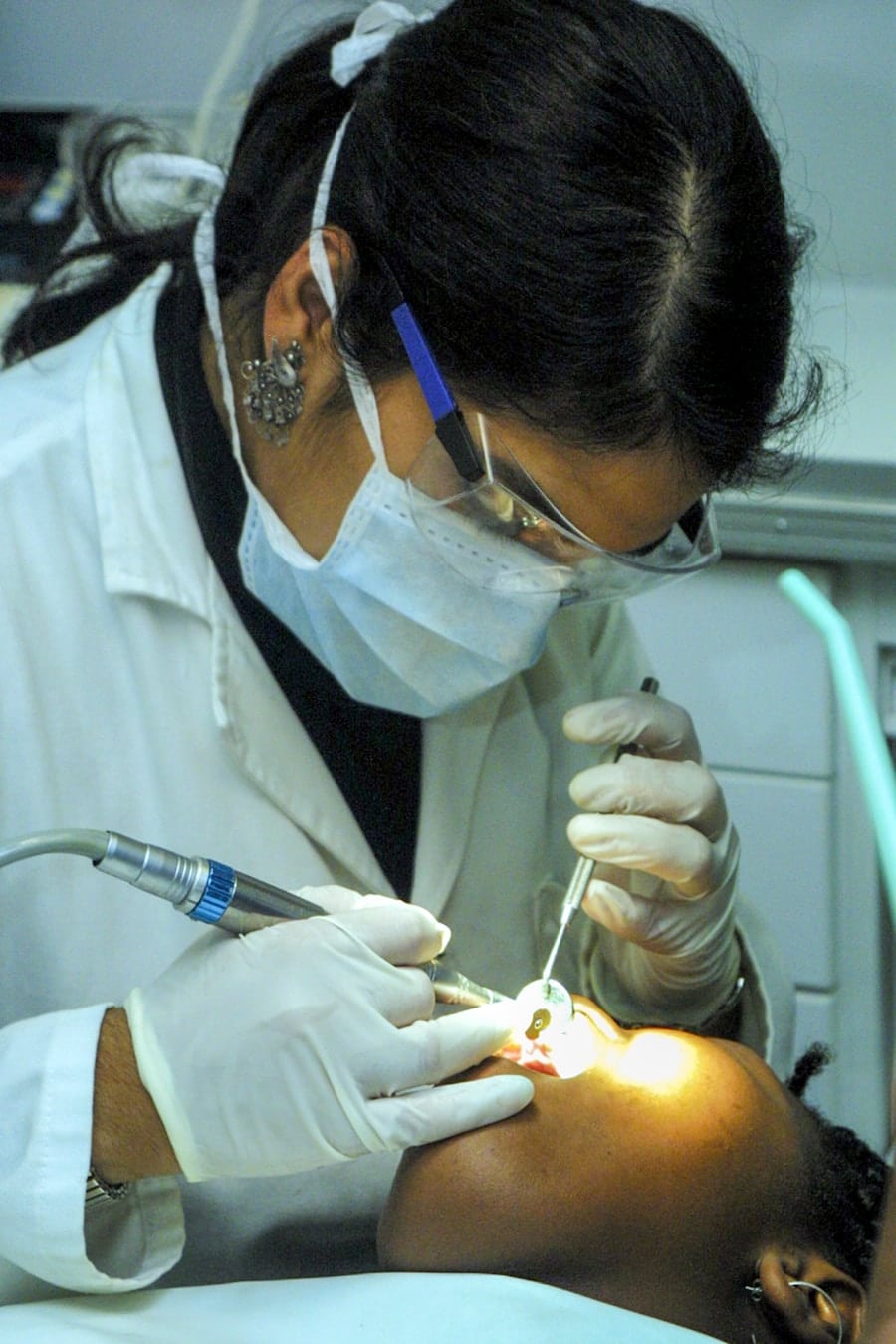
Specific Procedures That May Be Covered
While most routine dental services are not covered by Original Medicare, there are specific procedures that may qualify for coverage under certain circumstances. For example, if you require dental surgery related to a medical condition—such as jaw reconstruction or treatment for oral cancer—Medicare may cover those costs. Additionally, if you need dentures or other prosthetic devices following surgery, these may also be eligible for coverage.
Variations in Coverage
It’s important to note that coverage can vary based on individual circumstances and specific plans. Therefore, it’s advisable to consult with your dentist and review your Medicare plan details to understand what procedures may be covered in your case.
Being Informed About Coverage Options
By being informed about potential coverage options, you can make better decisions regarding your dental health and avoid unexpected expenses.
Additional Ways to Save on Dental Costs with Medicare
In addition to choosing a Medicare-accepting dentist, there are several strategies you can employ to save on dental costs while utilizing your Medicare benefits. One effective approach is to explore supplemental insurance plans that offer additional coverage for dental services. Many beneficiaries opt for Medigap policies or Medicare Advantage plans that include enhanced dental benefits, allowing for more comprehensive care without breaking the bank.
Another way to save is by taking advantage of preventive services covered by Medicare. While routine cleanings may not be included, certain preventive measures—such as oral exams related to medical conditions—may qualify for coverage. Staying proactive about your oral health can help prevent more significant issues down the line, ultimately saving you money on extensive treatments.
Taking Control of Your Dental Health with Medicare-accepting Dentists
Taking control of your dental health is an empowering journey that begins with understanding your options as a Medicare beneficiary. By choosing a dentist who accepts Medicare, you can navigate the complexities of dental care with confidence and clarity. With the right information at your fingertips, you can make informed decisions about your oral health while maximizing your benefits.
As you explore the world of dental care under Medicare, remember that knowledge is power. Familiarize yourself with what is covered, seek out qualified professionals in your area, and don’t hesitate to ask questions about your treatment options. By being proactive and informed, you can ensure that you receive the quality dental care you deserve while effectively managing costs associated with your healthcare journey.
If you’re looking for affordable dental care, you may want to check out this article on finding affordable dental care. It provides tips and resources for locating dentists who offer quality services at a reasonable price. Additionally, you can also explore Medicare-accepting dentists in specific locations such as Canton, Ohio and Salem, Oregon by visiting this link and this link. By choosing the right dentist, you can say goodbye to expensive dental bills and maintain good oral health without breaking the bank.
FAQs
What is Medicare?
Medicare is a federal health insurance program for people who are 65 or older, certain younger people with disabilities, and people with End-Stage Renal Disease (permanent kidney failure requiring dialysis or a transplant).
Do all dentists accept Medicare?
No, not all dentists accept Medicare. Traditional Medicare does not cover routine dental care such as cleanings, fillings, or extractions. However, some Medicare Advantage plans may offer dental coverage.
Are there dentists who accept Medicare?
Yes, there are dentists who accept Medicare. Some dentists may accept Medicare Advantage plans that offer dental coverage, while others may offer specific services covered by Medicare.
How can I find a dentist who accepts Medicare?
You can find a dentist who accepts Medicare by contacting your Medicare Advantage plan for a list of in-network dentists, or by using the Medicare.gov website to search for dentists who accept Medicare assignment.
What dental services are covered by Medicare?
Traditional Medicare does not cover routine dental care, such as cleanings, fillings, or extractions. However, some Medicare Advantage plans may offer dental coverage for preventive services, basic procedures, and major procedures.
How can I save on dental bills with Medicare?
You can save on dental bills with Medicare by enrolling in a Medicare Advantage plan that offers dental coverage, or by seeking out dentists who offer specific services covered by Medicare. Additionally, some dental schools and community health centers may offer low-cost or sliding scale dental services for Medicare beneficiaries.


